

Thank you for Subscribing to Food Business Review Weekly Brief
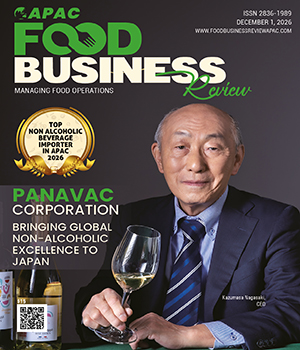
For PANAVAC CORPORATION, the non-alcoholic beverage business has never been only about finding something that can take the place of alcohol. The Osaka-based company has been working with these products since 1982, and four decades in the category have given it a close view of how the market has changed. What began largely with non-alcoholic beers and wines as alternatives to alcoholic drinks has developed into a broader search for beverages that offer consumers something more. That history matters in a market where the reasons for choosing a non-alcoholic drink are becoming more varied. Taste remains important, but consumers and businesses are also looking at quality, ingredients, nutritional benefits, and how a product fits into a wider food and beverage experience. PANAVAC has adjusted its focus along with those changes, while retaining a practical approach to importing: find good products, examine them carefully, and give customers a chance to see how they work before committing to regular supply.
Food Packaging
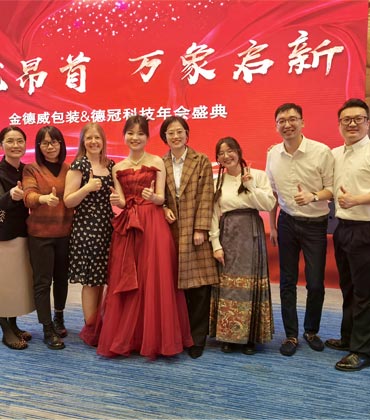
Most packaging companies operate like a relay race. One vendor extrudes the film, another handles printing, a third manages lamination and someone else assembles the final product. Each handoff risks delay and inconsistency, with costs stacking up. Kinderway Packaging (KDW) was built to change that. Rather than outsourcing each stage, KDW brings the entire process in-house—from film extrusion and printing to lamination and pouch conversion. This integrated model provides more than operational control; it rethinks how flexible packaging should work. Packaging becomes structurally sound and shelf-ready and moves from concept to production without unnecessary friction. “Speed and flexibility are essential in fast-moving consumer goods (FMCG) like packaged food, personal care and household products. And when we have the end-to-end control, our R&D team is empowered to experiment, adapt and scale without the delays tied to third-party dependencies,” says Jacky Li, head of the overseas business unit at KDW. Scaling new ideas happens almost in real time—whether it’s recyclable films, high-barrier materials or advanced formats designed for product protection and shelf stability. At the same time, sustainability runs through every layer of the process. Solar-powered manufacturing, solvent recovery systems and responsible sourcing are built into daily operations and are not tacked on as afterthoughts. Independent certifications strengthen KDW’s foundation. Standards such as ISO, HACCP, FSSC, BRC and SMETA validate the practices, ensuring consistency, transparency and repeatability across global markets. Combined, these capabilities help brands accelerate time to market with packaging that performs in transit, commands attention on shelves and aligns with long-term sustainability goals. Teams in China, Australia and Mexico add regional agility to this global consistency—turning packaging into a strategic advantage instead of an operational burden.
Beverages Manufacturing
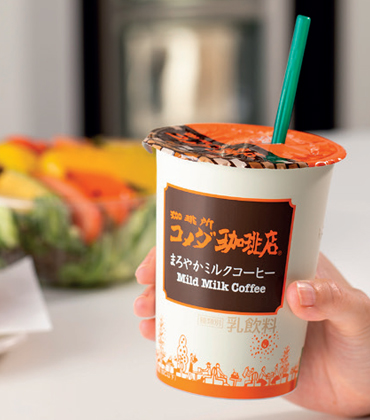
Delicious, fun and delightful—these words perfectly capture the spirit that defines Japan’s beverage culture. New varieties appear on convenience store shelves at the speed of fast fashion. From the warm aroma of cocoa to the retro sweetness of milk beverages, every beverage is accompanied by eye-catching packaging. In Japan’s dynamic beverage culture,Toyo Beverage stands out as a name synonymous with precision, creativity and consistency. One of the industry’s youngest beverage developers and manufacturers, it has grown into a full-service provider offering end-to-end production, from formulation and sourcing to bottling, packaging and logistics. With a focus on craftsmanship and innovation, it blends Japan’s respect for quality with a forward-thinking approach to technology and market trends. “We strive to develop attractive products while ensuring the highest standards of safety and quality for our customers,” says Satoshi Kumagai, president and CEO. At Toyo Beverage, every idea moves quickly from discussion to design to shelf, blending traditional flavors with modern sensibilities and creating moments that surprise yet feel unmistakably right. Commitment to safety and stability has made it a trusted manufacturing partner for leading private-label clients and OEM brands. Its team engages with clients in person to strengthen relationships built on transparency and shared purpose. Every partnership is founded on the principle that long-term trust is built on delivering quality products without exception. From procurement and product development to scheduling and quality assurance, each department operates in close coordination to maintain a consistent supply of safe and high-quality beverages. The integrated workflow enables precise control of every production stage, guaranteeing that products reflect Toyo Beverage’s uncompromising standards.
Food Distributor and Supplier

The Great Business of Food and Beverage in Hospitality
Tony Chisholm, Vice President of Food & Beverage I MEAT & Asia, Premium, Midscale & Economy Hotels Accor
Food Services Management

Modernizing F&B Leadership: Building High-Performing Teams in Today's Hospitality Market
Astri R K Wardani, Food and Beverage Manager, AYANA MidPlaza Jakarta
Beverages Manufacturing

Food Safety is a Culture, Not a Checklist
Davonn Grosvenor, Director of Food Safety and Audit Services, VII Principles USA
Business Services
Strengthening Food Safety Culture through Practical Leadership
Alejandra Blanco, Food Safety Quality Manager, Slow Dough Bread
Business Services

Lessons from the Dining Room Floor
Jim Koklas, Vice President of Food & Beverage Operations, JBM Hospitality
IN MY OPINION
Confectionery
Leading Food Service Operations Through Consistency, Accountability, And Customer Focus
Jessica Russell, Food Service Director, Clark’s Pump-N-Shop

LAST WORD
Alternative Proteins/Plant based food
Shaping the Future of Food Through Innovation and Strategy
Michelle Wee, Food Trend Director, Global Strategy and Innovation, Ferrero
IN FOCUS
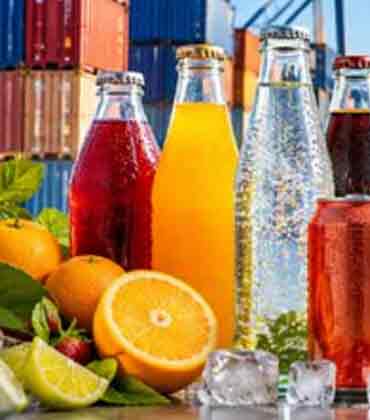
APAC Non-Alcoholic Beverage Imports Gain Business Momentum
APAC non-alcoholic beverage importers can grow through localized portfolios, regulatory readiness, efficient logistics, strong partnerships, and data-driven distribution strategies.

APAC's Green Gold: Leveraging Technology for Premium Olive Oil Production
Technology is improving olive oil production through smarter harvesting, automated processing and quality testing, helping APAC producers maintain consistency and efficiency.
EDITORIAL
Elevating Food and Beverage Through Quality and Vision
The choice and value of non-alcoholic beverages and hotel food services have become key factors in Asia-Pacific markets. This edition of Food Business Review APAC sheds light on how careful product selection, innovative concepts and consumer-oriented strategies are transforming the industry.
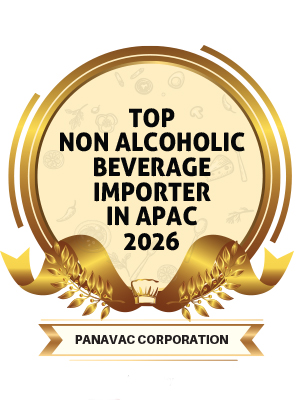
The Panavac Corporation earns recognition as the Top NonAlcoholic Beverage Importer in APAC 2026 for connecting Japanese customers with beverages that have been evaluated and chosen from the markets of Germany, Spain, France, Italy and South Africa for over forty years now. CEO, Kazumasa Nagasaki, points out that quality is the first thing the buyers are looking for. The company checks the ingredients, production process and sensory properties of the beverage before offering tasting samples for sales tests of their commercial suitability. Awards such as a Gold Medal at the W.A.F.A. in London in 2025 further confirm the standard Panavac maintains while supporting retailers, hotels and wholesalers.
Tony Chisholm, Global SVP Food Beverage & Entertainment Sofitel/Sofitel Legend, MGallery & Emblems at Accor, sees the importance of food and beverage as the soul of the hotel. According to Chisholm, one should think like an owner and try to create new stories out of every inch of the restaurant area. Michelle Wee, Food Trend Director, Global Strategy and Innovation at Ferrero, underscores that lasting innovation balances technical expertise with human insight. She notes that meaningful shifts arise where cultural change, technology and evolving needs intersect, and that clear cross-functional communication turns strategy into sustainable results.
Leadership grounded in quality, relevance and deliberate adaptation continues to set the pace for the region’s food business. Explore the edition further to engage with these perspectives and the strategies that will shape the next phase of growth.
