

Thank you for Subscribing to Food Business Review Weekly Brief


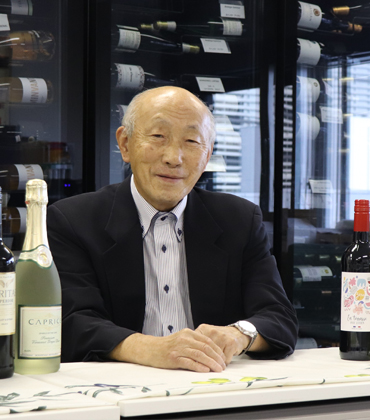 Kazumasa Nagasaki, CEO
For PANAVAC CORPORATION, the non-alcoholic beverage business has never been only about finding something that can take the place of alcohol. The Osaka-based company has been working with these products since 1982, and four decades in the category have given it a close view of how the market has changed. What began largely with non-alcoholic beers and wines as alternatives to alcoholic drinks has developed into a broader search for beverages that offer consumers something more.
That history matters in a market where the reasons for choosing a non-alcoholic drink are becoming more varied. Taste remains important, but consumers and businesses are also looking at quality, ingredients, nutritional benefits, and how a product fits into a wider food and beverage experience.
PANAVAC has adjusted its focus along with those changes, while retaining a practical approach to importing: find good products, examine them carefully, and give customers a chance to see how they work before committing to regular supply.
“Quality is the aspect they value most,” says Kazumasa Nagasaki, CEO.
Buyers’ Confidence
The company’s relationship with buyers starts with a fairly clear understanding of what brings them to PANAVAC in the first place. Customers looking for imported non-alcoholic beverages are usually already motivated. They are not simply browsing for another product to add to a shelf. They are looking for products that meet a high standard and can justify their place in a portfolio.
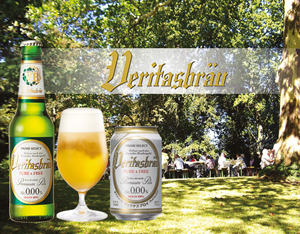 This makes product quality the central point of the conversation. PANAVAC’s experience covers developing, producing, and importing beverages, and the company brings that background into its work with Japanese buyers. Rather than treating importing as a transaction that ends when a shipment arrives, it spends time examining what it is bringing into the market and whether the product makes sense for the customer.
Buyers can have very different requirements. A supermarket may want a beverage that can sell in volume, while a hotel may be interested in a more premium choice. PANAVAC approaches the problem by looking for the value behind both requests.
“By changing our perspective, we can identify something they have in common: value,” Nagasaki explains.
It is a simple way of looking at the market, but it gives the company room to think beyond price or positioning. A product does not have to fit one narrow definition of success. Its value can come from the role it plays in a retailer’s range, a restaurant’s menu, a hotel’s beverage program, or a wholesaler’s portfolio.
Looking to Established Markets
Much of PANAVAC’s imported range comes from countries such as Germany, Spain, France, Italy and South Africa. The choice is not accidental. These markets have a longer history with non-alcoholic beverages and stronger demand for products in the category than Japan has traditionally had. That longer history has allowed producers to build expertise in product development, production technology, and quality.
For PANAVAC, this provides a useful starting point. The company can draw on markets where producers have spent years responding to consumer expectations and refining their products.
Quality is the aspect they value most.
Still, origin alone is not enough. Before a beverage is introduced, PANAVAC obtains samples and technical information from the manufacturer. It examines ingredients and production methods, reviews analysis reports, and conducts tastings. The company also carries out additional analysis in Japan when making its decision.
A product may look promising on paper, but its suitability cannot always be established from technical documents alone. Tasting provides another perspective, while additional analysis helps the company make a more informed decision before recommending the beverage.
The work takes place before the customer has to make a commitment. PANAVAC provides complimentary samples for tastings and test sales, allowing customers to assess the product in a real commercial setting. If the response is positive and the product is appropriate for the business, the customer can move into regular supply through a direct deal.
It is a straightforward process, but one that reflects how the company has chosen to work. Instead of asking a buyer to rely solely on a description or sales presentation, PANAVAC gives the product an opportunity to make its own case.
When a Product Finds Its Place
One of the clearest examples of this approach came during EXPO 2025 Osaka-Kansai. ETXOLA, a renowned Basque restaurant in Osaka, operated the Spanish Pavilion restaurant during the event. The restaurant used one of PANAVAC’s non-alcoholic wines as a key ingredient in a non-alcoholic Sangria.
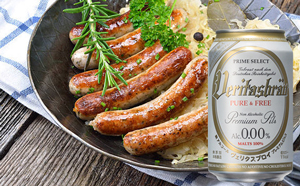 The result was notable because the product was not simply served as a conventional non-alcoholic wine. It became part of a drink created for a specific food and beverage setting. The Sangria became one of the popular offerings at the Pavilion and sold exceptionally well throughout the event.
For PANAVAC, the experience showed what can happen when a non-alcoholic product is considered as an ingredient and not just as a substitute. It also gave the company and its customer a chance to demonstrate the product to a broad audience in a high-profile environment.
The kind of application can matter to businesses that are building their beverage selections. Wholesalers, wine shops, and on-trade operators can use distinctive products to broaden their portfolios and create new opportunities with their own customers. PANAVAC says its supply and support services have contributed to that kind of portfolio development and customer expansion.
The company’s role can extend beyond locating an imported beverage. It can help a customer test whether the product has a place in the business and support the move toward regular supply.
Four Decades of Change
PANAVAC’s long experience gives Nagasaki and his team a useful perspective on the evolution of the category. In the early years, the goal was largely substitution: developing non-alcoholic beer and wine that consumers could choose instead of alcoholic versions. The next step was more demanding. Products had to come closer to the taste of conventional alcoholic beverages.
The company now sees another shift taking place. Non-alcoholic beverages are increasingly being considered for the additional benefits they can offer, including nutritional value. That does not mean taste has become unimportant. Rather, the expectations around the category have widened.
-
By changing our perspective, we can identify something they have in common: value.
“Today, we aim to offer non-alcoholic beverages with added value, such as nutritional benefits. Rather than adding ingredients or additives to achieve this, our approach is to enhance the quality of the base wine and base beer themselves.” Nagasaki says.
The change has implications for the products PANAVAC looks for and the way it talks to customers. A beverage can appeal because of how it tastes, but also because of what it contains, how it fits into a menu, or what it allows a business to offer consumers who are choosing not to drink alcohol.
The shift also illustrates why experience matters. PANAVAC has seen consumer expectations change through several stages of the category, and its sourcing decisions today reflect what the company has learned.
A Practical Role in Difficult Times
The importance of non-alcoholic beverages became particularly clear during the latter part of the COVID-19 pandemic. Government restrictions prohibited banquets with alcoholic beverages, putting hotels and restaurants under considerable pressure.
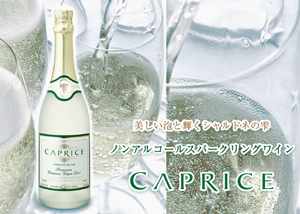 For some of those businesses, non-alcoholic drinks provided a way to continue offering beverages to guests. PANAVAC supplied products during this period and says the service helped hotels and restaurants maintain opportunities for their customers.
The episode was a reminder that the category can have a practical role even when circumstances change quickly. A non-alcoholic beverage is not useful only when a consumer wants an alternative to alcohol. It can also help a hospitality business keep its offering open to customers when alcoholic drinks cannot be part of the occasion.
For an importer, that means reliability matters. Product quality may attract the buyer, but supply and support determine whether the relationship can continue.
Building on What It Knows
PANAVAC’s business today brings together those strands of experience. The company works with producers in established European markets, assesses products before introducing them, provides samples for testing, and supports customers as they determine where a beverage belongs in their business.
Its portfolio has also received recognition. PANAVAC notes a Gold Medal at the W.A.F.A. in London in 2025, a Silver at the World Drinks Award in Germany in 2025, and a Silver at the Japan Wellness Food Award in 2022. Those distinctions sit alongside the company’s longer experience in the category and its ongoing work with Japanese buyers.
The company’s proposition is ultimately grounded in a fairly practical idea: imported beverages need to earn their place. A product has to stand up to examination, work for the customer, and give consumers a reason to choose it. PANAVAC’s job is to find those products or develop new ones in collaboration with overseas manufacturers and create a sensible path from overseas manufacturer to Japanese market.
Its approach may become increasingly relevant as the non-alcoholic beverage category continues to broaden. The market is no longer defined only by consumers looking for a substitute for beer or wine. This perspective remains useful as categories change. There is room for products with distinctive flavors, different uses, nutritional benefits, and a place within sophisticated food and beverage programs.
For PANAVAC, the next stage is less about predicting a single direction for the market than continuing to watch what buyers and consumers respond to. Its four decades of experience provide a reference point, while its relationships with overseas producers give it access to products shaped by more mature non-alcoholic beverage markets. These partnerships also enable PANAVAC to develop and introduce new products in collaboration with overseas manufacturers, meeting the evolving needs of its customers.
In recognition of its work in connecting these products with buyers and opportunities across the region, PANAVAC has been named Top Non Alcoholic Beverage Importer in Asia 2026. The recognition comes at a fitting point in the company’s story: after decades spent building experience in the category, PANAVAC continues to look for beverages that meet a high standard and have a clear reason to be in the market.
How to Choose Non-Alcoholic Beverages That Sell
A non-alcoholic wine can impress a purchasing team during a tasting yet fail to earn repeat orders once it reaches the shelf. Restaurants face another difficulty. Customers expect a drink that justifies its menu price, particularly when conventional wine remains available. For Japanese retailers and foodservice operators sourcing imported non-alcoholic beverages, product quality must be assessed alongside commercial suitability. The importer’s selection process can have considerable influence on whether a beverage becomes a regular purchase or remains an occasional novelty.
Product quality begins with understanding what goes into the bottle. European producers have considerable experience in developing alcohol-free alternatives, but established manufacturing expertise does not automatically guarantee suitability for Japanese consumers. Differences in flavor preferences and drinking occasions can influence acceptance. Buyers should examine how importers assess ingredients and production methods before selecting beverages for local distribution.
Technical documentation provides another basis for assessment. Manufacturer analysis reports may establish relevant product characteristics, although paperwork cannot fully capture the drinking experience. Tastings remain necessary to judge whether the flavor meets expectations. Additional testing within the destination market can provide further evidence before import decisions are finalized. A supplier's ability to explain these evaluations matters more than broad assurances about premium quality.
“Its evaluation process examines manufacturer data and production methods alongside product tastings, followed by additional analyses in Japan before making import decisions.”
Commercial fit requires a different judgment. Supermarkets often need beverages that customers will purchase regularly at accessible prices. Hotels and restaurants may prioritize selections that complement their menus or support premium drinking occasions. Finding products that satisfy both settings can be difficult. The common consideration is whether customers recognize sufficient value in the beverage to justify its price. Importers should understand how purchasing expectations differ across channels rather than offer identical recommendations to every establishment.
Trial purchasing can help resolve some of that uncertainty. Complimentary samples allow beverage managers to assess taste before making commitments, while test sales reveal how actual customers respond. These arrangements are particularly useful when introducing unfamiliar imported products. Buyers should establish whether the importer supports this preliminary evaluation and provides a clear purchasing arrangement once regular demand becomes evident. Early customer response offers more useful evidence than relying entirely on the supplier's expectations.
Changing consumer preferences also deserve attention. Alcohol-free beer and wine were initially marketed largely as replacements for conventional alcoholic drinks. Later development placed greater emphasis on achieving comparable taste. Product expectations are now expanding to include additional attributes, such as nutritional benefits. That interest creates opportunities for beverage selection, although buyers should examine supporting product information before making health-related claims.
A carefully chosen assortment should accommodate established drinking preferences while allowing room for these newer expectations. The importer must understand both the product and the commercial setting in which it will be offered.
Panavac Corporation develops, produces and imports non-alcoholic beverages for Japan, sourcing products from European markets with established expertise in the field. Its evaluation process examines manufacturer data and production methods alongside product tastings, followed by additional analyses in Japan before making import decisions. The company emphasizes quality while considering the value expected by different retail and hospitality buyers. Complimentary samples are available for tasting and test sales, allowing prospective customers to assess products before arranging regular supply through direct transactions. Its beverage development also reflects growing interest in nutritional attributes beyond alcohol substitution. For Japanese businesses prioritizing product assessment and purchasing flexibility, Panavac Corporation merits consideration.
...Read more
Non-Alcoholic Beverage Importers in APAC Info
Q1
What Role Do Non-Alcoholic Beverage Importers in Asia Play in the Market?
Importers connect beverage producers with buyers looking for products that suit local tastes and commercial requirements. Their work often starts with identifying suitable ranges and reviewing product information before coordinating samples and supply. Buyers also need to consider whether an imported drink fits their existing selection, pricing and customer preferences. For Non-Alcoholic Beverage Importers in Asia, the job goes beyond bringing products across borders. It involves judging which beverages have a place in the market.
Q2
How Does PANAVAC CORPORATION Evaluate Imported Beverages?
Since 1982, PANAVAC CORPORATION has worked in the development, production and import of non-alcoholic drinks. Before introducing a product in Japan, it requests samples and technical information, examines ingredients and production methods, reviews analysis reports and conducts tastings. Additional local analysis may also be arranged. This careful review reflects the work expected of Non-Alcoholic Beverage Importers in Asia, where product quality and suitability need to be established before a beverage reaches the market.
Q3
What Should Buyers Consider When Selecting Alcohol-Free Beverages?
Flavor is only one part of the decision. Buyers may also look at ingredient quality, nutritional attributes, price positioning and how well a drink fits an existing range. A supermarket may place greater importance on repeat purchases, while a hotel or restaurant may consider how a beverage complements its menu and service. Non-Alcoholic Beverage Importers in Asia need to understand these differences when assessing products, since a drink that works in one setting may not suit another.
Q4
Why Are Samples and Tastings Important Before Regular Supply?
A product description cannot tell buyers everything they need to know about a beverage. Samples allow them to assess flavor firsthand, while test sales offer a closer look at how a drink performs with customers. Technical documents and product analyses provide further information for evaluation. For buyers working with Non-Alcoholic Beverage Importers in Asia, these checks help avoid decisions based solely on presentation or initial impressions before committing to regular supply.
Q5
What Changing Preferences Are Influencing Non-Alcoholic Beverage Imports in Asia?
Interest in alcohol-free drinks now extends beyond finding substitutes for beer and wine. Consumers and buyers also consider flavor variety, nutritional attributes and beverages that can serve as ingredients in mixed drinks. Importers must therefore look at the different occasions a product can serve, rather than judging it only by its resemblance to an alcoholic drink. For Non-Alcoholic Beverage Importers in Asia, this calls for careful sourcing and an understanding of products developed in established international markets.
Q6
How Does PANAVAC CORPORATION Introduce International Beverages to the Japanese Market?
Much of PANAVAC CORPORATION's range comes from Germany, Spain, France, Italy and South Africa, where producers have established experience in non-alcoholic beverages. It provides complimentary samples for tastings and test sales, then supports customers as they move to regular supply through direct arrangements. At EXPO 2025 Osaka-Kansai, one of its non-alcoholic wines was used in a Sangria served at the Spanish Pavilion restaurant operated by ETXOLA. The example illustrates how imported beverages can find uses beyond alcohol substitution.
Company :
PANAVAC CORPORATION
Management Kazumasa Nagasaki, CEO
Description
With more than four decades of experience, PANAVAC CORPORATION connects Japanese buyers with carefully selected non-alcoholic beverages from established global markets. Through rigorous evaluation, customer testing, and dependable supply, the company helps retailers, hospitality businesses, and wholesalers discover products with lasting commercial value.
