

Thank you for Subscribing to Food Business Review Weekly Brief
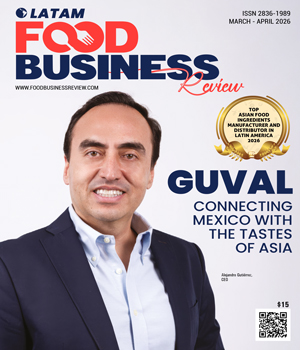
Guval has emerged as Mexico’s leading manufacturer-integrated importer and distributor of Asian food ingredients, transforming how chefs, retailers, and home cooks access authentic, locally adapted Asian cuisine. Through partnerships with major supermarkets, restaurant chains, and direct collaboration with Asian producers, the company has built a national-scale distribution and manufacturing platform that connects Asia’s most iconic food brands with the Mexican market. This leadership, however, has its roots in a far humbler origin. In the early 2000s, when Japanese cuisine was just starting to gain traction in Mexico, genuine ingredients remained elusive. Alejandro Gutiérrez, then working at a Japanese multinational in Mexico City, was approached by a friend to source rice and nori (seaweed), for local restaurants. With limited supply options, he turned to small shops run by Japanese residents and began buying from them, supplying restaurants desperate for quality and consistency. Demand soon formalized the effort. In 2004, he established Guval, inviting his father and brother to create a family enterprise dedicated to making Asian cuisine accessible, educational, and operationally viable at scale for the Mexican market. “At the beginning, we were no more than 10 people. Today, we are a team of more than 200,” says Gutiérrez, CEO.
Food Processing and Packaging
In 2013, a food-safety incident changed the landscape of Chile’s packaged food market, driving stricter regulations. As expectations shifted, manufacturers needed a solution that could enhance food safety and extend shelf life without compromising quality. High-pressure processing (HPP) emerged as the solution, yet the high cost kept it largely out of reach for small and mid-sized enterprises (SME). ALTA - HPP services is changing that status quo. Founded in 2017 in Santiago, ALTA - HPP services is Chile’s first facility to introduce an open-access tolling model. The approach makes the technology available to producers of every size, from established brands to fast-growing SMEs. Its team studied established HPP operations across the U.S. and Europe to build this model, working closely with universities and organizing nationwide seminars. “Our mission is to give manufacturers the ability to strengthen product safety and extend freshness through HPP,” says Arturo Costabal Claro, director. Using non-thermal food preservation technology, it applies uniform hydrostatic pressure to sealed products for a defined period of time. Compared to conventional pasteurization, HPP achieves food safety through pressure alone. This mechanism eliminates pathogens like Listeria, E. coli and Salmonella and extends refrigerated shelf life up to 60-fold, depending on the product and formulation..

Confectionery

Premium confectionery does not earn trust at the first bite. Shoppers judge its quality and craftsmanship long before it reaches the shelf. Franmar Distributors takes care of this journey from the beginning, making critical decisions that preserve peak quality at every stage. More than a logistics provider, Franmar is a long-term strategic growth partner for retailers. How does Franmar Distributors protect confectionery quality before products ever reach retail shelves? It creates high-quality confectionery, guiding each product through a disciplined framework centered on freshness, safety, transparency, and legal conformity. The consistency supports predictable sell-through, stronger margins and stable category performance, elevating confectionery experiences for retailers. “Our model combines the agility and personalized service of a boutique distributor with the operational capacity and technological infrastructure of a larger organization,” says Francisco González, president and CEO..
Food and Beverages Marketing
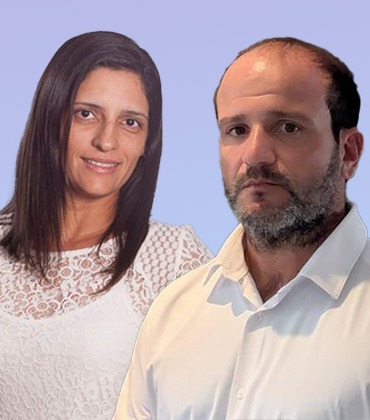
Restaurant marketing rarely breaks at the idea level. It breaks during execution. Campaigns are built around service hours, staffing constraints, and fluctuating demand. Messaging has to adapt quickly to what is happening on the floor, not just what performs well online. In that environment, marketing only works when it is structured around how restaurants actually operate. That execution-first reality defines Contágio Comunicação, a branding and performance agency. It helps restaurants grow sustainably in an algorithm-driven market by structuring executable marketing systems around real operational constraints. Over time, this restores control over brand expression, customer data, and margins. Founded in 2003 by Marcelo Monteiro and Lívia Castro, Contágio has grown over more than two decades by working exclusively with restaurant brands across Brazil and the U.S. “We believe visibility alone doesn’t build businesses,” says Marcelo Monteiro, founder. “When branding, media, and CRM are structured as one system, restaurants stop reacting to platforms and start making decisions they can sustain.” The Fundamentals of Sustainable Growth For restaurants, presence across the full customer journey is nonnegotiable, from search and social discovery to reviews, in-store experience, and direct communication. Contágio’s approach prioritizes participation over exposure. This includes active reputation management, the development of owned audiences through email and messaging platforms, and the deliberate reduction of over-reliance on third-party channels that introduce volatility and margin pressure. .
Dairy
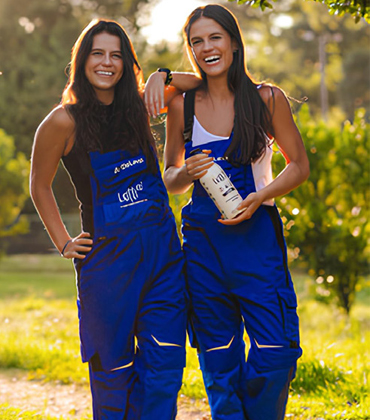
How does Letti A² maintain complete traceability and control across its dairy production system? Letti A² operates the only dairy brand in Brazil with a complete line of milk and dairy products produced entirely on its own farm, maintaining total traceability and control at every stage. The portfolio is made with Grade A milk, exclusively A2 protein recognized for easier digestibility, and is supported by eight certifications. This fully integrated model defines the freshness, transparency, and consistency brought to households across the country. What production process preserves freshness from milking to bottling at Letti A²? Milk travels just 30 meters from the milking parlor to the dairy plant, where it is bottled within twenty-four hours and minimally pasteurized to preserve its original properties. All products are produced exclusively from A² protein milk, recognized for its natural digestibility. The portfolio includes yogurts, cultured milk, fresh cheeses, butter and cream—each made entirely on the farm using Grade A milk, the highest regulatory classification. Quality oversight remains continuous. Every batch is tested daily by a food engineer, while independent third parties audit practices and validate them through eight certification seals covering origin, sustainability, animal welfare, recycling and production standards. “Our mission as rural producers is to nourish the planet,” says Taís Jank, managing director. What began in 1945 with the founding of Agrindus is now carried forward by sisters Taís and Diana Jank, who lead Letti A² as the fourth generation of the family. As the company approaches eighty years of continuous operation, they guide it with the same respect for land, people and animals that shaped earlier generations..
Supplement Manufacturing
Few ingredients have gone from agricultural waste to global health staple quite like whey. Once discarded, it now powers the billion-dollar fitness and nutrition industry. Behind this transformation are innovators who didn’t just see a byproduct—they saw potential. One of them is Sooro Renner, a company reshaping the functional dairy landscape through innovation, scale, and service. “Our growth has always been guided by precision, trust, and deep technical partnerships— starting from Brazil and now reaching the world,” says Claudio Hausen de Souza, Vice President of Commercial and Marketing. Today, Sooro Renner is the largest whey processor in Latin America by volume, with more than two decades of experience. It supplies high-quality ingredients for both human and animal nutrition and holds full export licensing to serve clients worldwide across a wide array of food and beverage sectors. Its product portfolio is designed for both performance and versatility. The company’s Whey Protein Isolate 90 percent delivers ultra-high protein content with less than one percent milk fat—ideal for use in nutritional supplements and high-protein dairy products. For broader application needs, its Whey Protein Concentrate 80 percent is available in regular, instant, and lactose-free forms, making it suitable for everything from protein shakes to ice creams and baked goods. The company also offers WPC 60 percent and WPC 34 percent, which provide excellent texture, solubility, and performance in dairy beverages, energy drinks, and processed foods. Sooro Renner’s whey powder—a blend of lactose, protein, and reduced mineral salts—adds rich dairy flavor and enhances the consistency of chocolates, processed meats, and more. In addition, it produces permeate, which is used in both food and feed formulations, ensuring every element of whey is optimized.

Organic Food
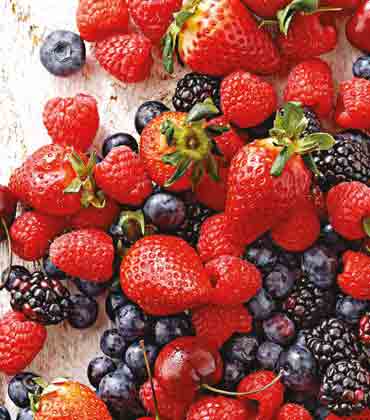
The Challenges to Selling Fresh Berries Around the World
VICTOR CEDILLO, LATAM & IC Sales Director, Driscoll’s
Food Processing
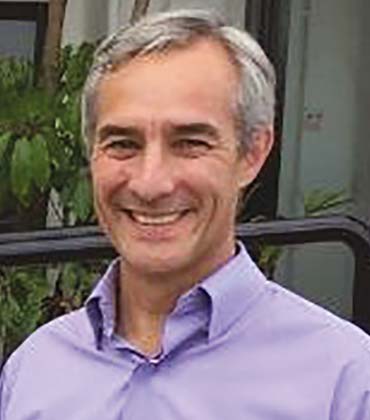
Sociodynamics Approach for Manufacturing Transformation Strategy
Fabian Oliveto, Head of Industry, Webcorgroup
Food Logistics and Transportation
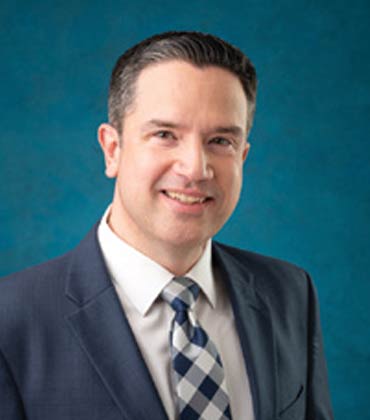
Maximizing the Use of Procurement Technologies
Javier Carnevali P., Chief Procurement Officer, Grupo Herdez
Confectionery
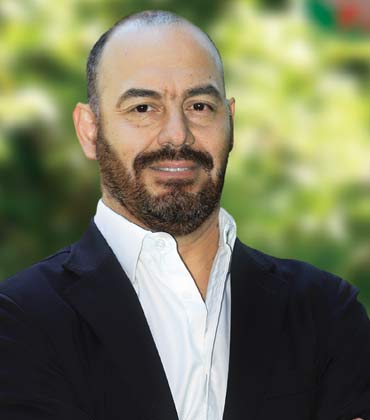
New Technologies In Logistics
Ignacio Espinoza, Supply Chain Manager, Westfalia Fruit Chile
Alternative Proteins

Circular Economy At Coca-Cola Femsa: Driving Sustainability Forward
Jordi Cueto-Felgueroso, Global Sustainability Manager, Coca-Cola FEMSA
IN MY OPINION
Food Processing and Packaging
A Collective Action Toward Circular Economy
Maria Camila Lopez Rojas, Chief Sustainability Officer, Juan Valdez Café

LAST WORD
Coffee And Tea
Livestock Traceability: The Challenges and Progress for Minerva Foods in South America
Tamara Lopes, Corporate Executive Sustainability Manager, Minerva Foods
IN FOCUS
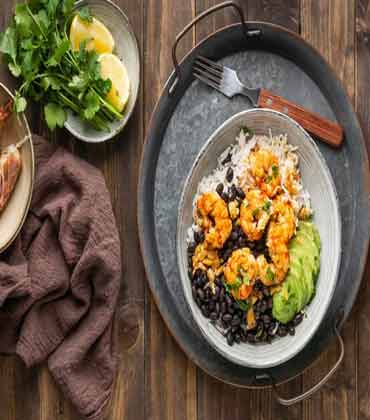
Asian Food Trends in Latin America: Embracing Diversity and Authenticity
Asian food ingredient manufacturing and distribution in Latin America expands through culinary integration, adaptive operations, innovation, sustainability, and collaborative value chain development.
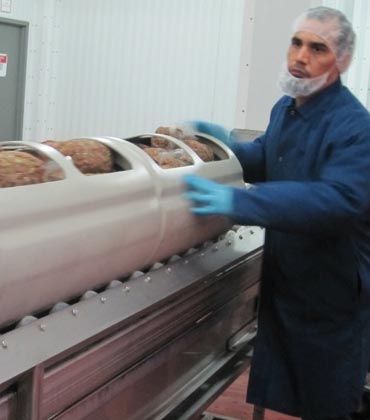
The Growing Importance of High-Pressure Hydrostatic Food Processing Services in Latin America
High-pressure hydrostatic processing reduces food waste, supports sustainability, meets evolving consumer demand, and strengthens competitiveness across Latin America’s food industry.
EDITORIAL
Building The Backbone Of Modern Food Markets
This edition of Food Business Review Latin America examines how food manufacturers and distributors are strengthening safety localization, and execution discipline as cross-border supply chains grow more complex. Across ingredients, confectionery and processing services, what differentiates market leaders is operational control combined with consumer relevance.
Our cover story, Guval, recognized as Top Asian Food Ingredients Manufacturer and Distributor in Latin America 2026, exemplifies this shift. From its origins supplying rice and nori to restaurants, the company has evolved into a retail-led platform connecting Asian producers with more than 3,000 points of sale in Mexico. Through localized manufacturing, proprietary brands and consumer-ready innovations such as sushi kits and fully cooked rice, Guval has inverted its revenue mix toward retail while retaining foodservice credibility.
In confectionery, Franmar Distributors, named Top Candy Distribution in Latin America 2026, demonstrates how disciplined quality control and channel-specific distribution drive category performance. From supplier audits and batch inspections to temperature-controlled logistics and predictive forecasting, its framework safeguards freshness while supporting retail sell-through.
Similarly, ALTA - HPP services, awarded Top High-pressure Hydrostatic Food Processing Services in Latin America 2026, is expanding access to non-thermal food preservation through an open-access tolling model. By combining rigorous testing, confidentiality safeguards and internationally recognized quality systems, it enables manufacturers to strengthen safety and extend shelf life without altering product integrity.
Our CXO insights reinforce the operational lens of this issue. Fabian Oliveto, Head of Industry at Webcorgroup, underscores that manufacturing transformation depends on engagement within the Manufacturing Social Environment. Ignacio Espinoza, Supply Chain Manager at Westfalia Fruit Chile, highlights the strategic role of shipment visibility platforms and WMS-driven discipline in protecting perishable exports.
Collectively, these perspectives clarifies that sustainable growth in Latin America’s food sector is built on execution. We invite readers to explore the edition and examine how disciplined leadership is shaping the region’s next phase of expansion.
