

Thank you for Subscribing to Food Business Review Weekly Brief
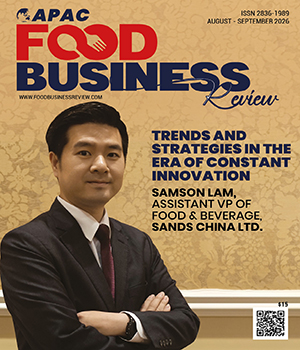
The food and beverage industry, by its very nature, is an ever-evolving one, continually changing in line with industry and societal trends. However, this evolution is increasing rapidly and is coupled with consumer demands that are constantly shifting, and once industry-only trends, discussions become mainstream ‘hot topics’. All of which points to an industry that is facing unprecedented changes and challenges. Now more than ever, in what I call this era of constant innovation, how an F&B business responds or proactively directs trends and strategies will directly impact business longevity. So, what are the key trends, and how can they be employed strategically? Healthy Eating and Ongoing Trends Healthy eating is no longer just a passing fad or a niche market demand; as consumers have become increasingly aware of the importance of health and wellness, there has been increasing consumer demand for healthy eating options. We have seen that foods and dishes that are low in fat and sugar and high in fibre have gained popularity, while deep-fried and heavily flavoured options have gradually lost their market share. It is an important and ongoing trend that, from our experience, restaurants should embrace and work towards developing more healthy menu options that are also delicious. Providing more healthy options also applies to a restaurant’s internal consumers, its staff, providing staff meals that are tasty and have the health of employees in mind is equally important. The majority of Sands China’s restaurants have added healthy and/or vegetarian dishes to their menus, with dishes clearly marked with appropriate symbols for guests’ to easily locate. Green Dining Emerges a Favourite Amid the increasing popularity of environmental protection concepts, green dining, that is, dining that does not have a negative impact on the planet, has gradually become a new favourite trend among consumers. This is a complex topic with a lot of layers, but it is a t
Food Packaging
Food manufacturers are under growing pressure to adopt packaging solutions that protect products, extend shelf life and meet sustainability expectations without increasing operational complexity or costs. Achieving that balance has become one of the food industry's most pressing challenges, particularly as recyclable packaging moves from aspiration to necessity. Allround Packaging works closely with manufacturers to manage competing packaging requirements. Packaging needs vary across products and production environments, making a one-size-fits-all approach unsuitable. Understanding the specific requirements of each application is an important step before a solution is recommended. Technical expertise and a practical understanding of manufacturing and operations guide how Allround Packaging advises customers, aligning packaging solutions with performance requirements, commercial objectives and sustainability goals. “Businesses are looking for more than a packaging supplier,” says Robert Karavesov, Managing Director. “They value a partner who can provide technical expertise, practical guidance and support throughout the development and implementation process.”.

Food Processing
Whether crafting the perfect sushi with state-of-the-art robots or automating entire kitchen workflows, Suzumo is trailblazing the modernization of the food service industry through cutting-edge automation and AI-driven solutions. As food businesses seek greater efficiency, consistency and innovation, Suzumo is at the forefront—optimizing operations, reducing labor costs and ensuring high-quality food production at scale. With the acquisition of Japan System Project (JSP) in 2021, its focus shifted from solely manufacturing kitchen equipment to delivering complete restaurant automation solutions. By integrating AI and IoT, Suzumo provides comprehensive systems that enhance efficiency, reduce costs and ensure food safety at every stage of production and service. A Legacy of Innovation and Global Expansion Founded in 1961, Suzumo has grown into a global leader in food automation. It has a factory in Saitama Prefecture, Japan and operates through a consolidated business structure that includes JSP, which specializes in automation solutions for restaurant operations and SEH Japan Co., Ltd., which focuses on hygiene-related products. Suzumo International Corporation in the USA and Suzumo Singapore Corporation oversee global sales and distribution, while Bluefin Trading LLC in Dubai extends operations to the Middle East. “With our machines tailored to produce globally popular variations like the California roll and Dragon roll, we make Japanese cuisine more accessible and customizable worldwide,” Suzumo said. The company’s philosophy, “Delivering Deliciousness and Warmth to the world,” emphasizes its commitment to integrating advanced technology while respecting regional food cultures. AI-Driven Automation Reshaping Food Service Suzumo automation technology goes beyond food preparation, encompassing entire restaurant and supermarket operations. It has seamlessly incorporated AI-driven systems into multiple aspects of the dining experience. The auto reception seating arrangement system, “ARESEA,” optimizes seating arrangements and reduces wait times, enhancing customer experience. Automated self-ordering system “SEMOOR” boosts efficiency, minimizing human error and reducing staff workload. Currently, Suzumo is working on upgrading many of its AI systems to improve user convenience. For example, AI-powered monitoring systems track store activity, providing real-time insights into customer movement, optimizing stock levels and dynamically adjusting pricing based on demand patterns. In supermarkets, AI cameras constantly assess stock levels, preventing food waste by aligning production with real-time demand. These systems analyze peak shopping hours, seasonal trends and customer purchasing behavior, allowing for precise inventory adjustments. Suzumo’s demand forecasting AI factors in variables like weather conditions and regional buying trends to ensure that food is always stocked at optimal levels. The integration of AI-driven dish-up systems in restaurants ensures that food is plated accurately, maintaining consistency in portion sizes, quality and presentation. This technology also monitors food temperatures, guaranteeing that meals are served at ideal conditions while adhering to strict hygiene standards. Suzumo has changed back-end kitchen operations with its product management AI, which guides chefs and kitchen staff through efficient order fulfillment methods. By analyzing incoming orders and work patterns, the system helps manage kitchen workflow, reducing preparation time and ensuring quick service without sacrificing quality. In an industry where efficiency and consistency are paramount, these AI-driven solutions significantly reduce labor costs while enhancing productivity. Training new employees, which traditionally requires significant time and resources, has also been optimized through AI. Workers can acquire the necessary skills faster and with minimal supervision.
Alternative Proteins & Plant Based Food
NURA is at the forefront of innovation in the vegan protein space, delivering premium, customizable solutions designed to meet the growing demand for clean, plant-based nutrition. NURA’s vegan proteins are versatile and can be used across a variety of applications, including ready-to-drink and ready-to-mix beverages, nutrition bars, and other functional formats—making them a smart choice for today’s health-conscious consumer. With a focus on high-protein, clean-label formulations, these solutions are also well-suited for individuals using GLP-1 receptor agonists for weight management who require complete, balanced protein sources. NURA initially established its presence with pea protein and has since expanded its offerings to include the BESTEIN® Vegan Protein line—featuring Pea, Fava Bean, Mung Bean, Brown Rice, Chickpea, Hemp, Pumpkin Seed, and Textured Proteins— alongside advanced innovations such as YESTEIN® Yeast Protein and COLLAWISE® Vegan Collagen. Through this robust portfolio, NURA empowers brands to develop sustainable, allergen-free, and nutritionally complete products that meet the evolving needs of today’s consumers. “At NURA, we are deeply committed to ingredient innovation, quality and exceptional customer service. Our team is passionate about helping our customers succeed and staying ahead of what is next in product innovation,” says Caydie Carrizosa, Marketing Manager at NURA. A Diverse and Functional Vegan Protein Portfolio Each ingredient is carefully selected for its functional benefits and broad application potential. NURA’s BESTEIN® vegan proteins deliver clean, consistent flavor and a smooth texture. Made from high-quality sources, BESTEIN® is available in a range of options to support customized specification goals, including low fat, low sodium, and tailored blends to meet specific formulation needs. NURA places quality and consistency at the core of its operations. The company’s ingredients are Organic, Glyphosate-Free, Non-GMO Project Verified, and allergen-friendly—meeting rigorous safety and transparency standards. NURA also heavily focuses on protein innovation, aiming to be first to market with new solutions that meet evolving industry demands. From sports nutrition and bakery applications to functional food innovations, NURA provides highly adaptable, premium ingredients to support a wide range of formulations for its core customers.

Food Logistic Services
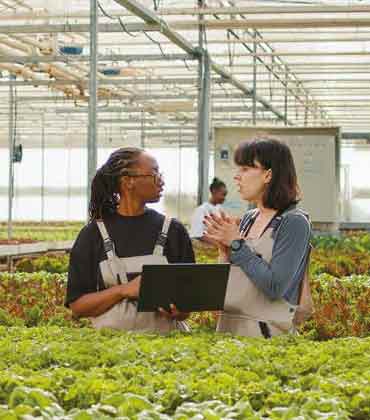
Every day, school lunch providers prepare meals for students, convenience stores replenish fresh food displays for customers, and food service businesses keep meals flowing to the people they serve. Although their operations differ, they all depend on fresh produce arriving in the right condition, the right format and at the right time. Kanemasa Distribution Group brings stability to the fresh produce value chain by connecting producers and customers through an integrated supply network. Its six group companies integrate fresh produce sourcing and sales, intermediate wholesaling, cut vegetable manufacturing, logistics, quality assurance and proposal support into a coordinated operation. “We provide a one-stop solution in which the entire group works together to respond to the diverse needs of our customers,” says Hisashi Kanazawa, president and representative director. Its integrated operating model supports a broad portfolio of fresh produce, including specially cultivated products, GLOBALG.A.P. and JGAP-certified raw materials, cut vegetables, processed products, primary processed ingredients, cut fruit and gift products. Production is supported by two company-owned plants that are FSSC 22000-certified. Kanemasa's quality assurance team also conducts scheduled audits of partner factories against its hygiene management standards, helping maintain consistent food safety and product quality across its supply network. Throughout the process, the cold chain is carefully maintained to preserve freshness from production to final delivery. Kanemasa’s customer-focused approach guides its daily operations. The sales team first identifies each customer’s intended use, volume, delivery format and timing. Purchasing teams coordinate with domestic and overseas production areas, markets and suppliers to secure raw materials, while production teams process produce according to required specifications. The logistics team then manages delivery to ensure products arrive under the required conditions, supporting efficiency, consistency and supply reliability.
Food Processing

Organic Food Production in Vietnam: Nurturing Sustainable Growth
Alberto Regini, Director of Operations, Dobla
Food Distributor and Supplier

The Great Business of Food and Beverage in Hospitality
Tony Chisholm, Global SVP Food Beverage & Entertainment Sofitel, Accor
Alternative Proteins/Plant based food

Scaling Seafood with Precision and Purpose
Francesco Taranto, General Manager, Catalano's Seafood
Food Distributor and Supplier

Organic Fertilizer and Precision Farming
Kantapat Jaruprompong, Farm System and Poultry Welfare Manager, Tyson Foods
Foodservice Equipment

How Cloud Computing Impacts Precision Agriculture Technology
Ruohan Liu, Director, Digital solutions for Sustainability, Agriculture and Ventures, PepsiCo

IN MY OPINION
Organic Brands
Proactive Allergen Management for a Safer, Global Supply Chain
Inggrid Aryal, Oceania Food Safety Manager, Nestlé Oceania

LAST WORD
Confectionery
Revolutionise Your Formulations with CostEffective Whey Permeate: The Versatile Dairy Ingredient Taking Southeast Asia by Storm
Noel Navin, Director of Sales (N.America & Se.Asia), Agropur
IN FOCUS

Eco-Friendly Food Packaging Trends across APAC
Food packaging solutions play a crucial role in extending the shelf life of products, enhancing food safety and hygiene, and facilitating convenient storage and transportation.
Emerging Technologies in APAC Vegetable Production: Crafting a Sustainable Future
Vegetable production services improve crop yield, boost farm productivity and support sustainable farming practices.
EDITORIAL
Creating More Value Across The Food Supply Chain
Food businesses today are expected to deliver far more than quality products. They must balance changing consumer preferences, food safety, sustainable packaging and resilient supply chains while maintaining operational efficiency. In this edition of Food Business Review APAC, we highlight the organizations and industry leaders helping food manufacturers and producers meet those expectations through practical innovation and disciplined execution.
Our cover story features Sands, whose food and beverage operations reflect the changing priorities of today’s diners. Health-conscious menus, sustainable dining initiatives, digital services and more personalized guest experiences have become part of its operating model, allowing the company to respond to evolving consumer expectations while delivering a consistently high standard of service.
Also recognized in this edition is Allround Packaging as the Top Food Packaging Solutions in APAC 2026. The company helps food manufacturers transition to ready-to-recycle packaging by combining technical expertise, product testing and collaborative development to balance sustainability with manufacturing performance. Kanemasa Distribution Group, recognized as the Top Vegetable Production Service in APAC 2026, has built an integrated fresh produce network that brings together sourcing, processing, quality assurance and logistics to deliver a stable, safe and reliable supply for food service, retail and institutional customers.
This issue also features perspectives from leaders across the food industry. Inggrid Aryal, Oceania Food Safety Manager at Nestlé, discusses how proactive allergen management, role-specific workforce training and digital food safety systems are helping manufacturers strengthen compliance and reduce risk across increasingly complex global supply chains.
Noel Navin, Director of International Sales at Agropur US, explores how whey permeate is helping manufacturers improve nutritional profiles, optimize formulations and reduce production costs while maintaining product quality across a range of food and beverage applications.
Together, these stories show that long-term success in the food industry depends on balancing innovation with operational discipline. We invite our readers to explore these perspectives and discover how practical innovation continues to transform the food industry.
