Food Business Review

Latin Snacks Distributor

A Latin Snacks Distributor sources, markets, and supplies traditional and contemporary Latin American snack products to retailers, supermarkets, convenience stores, and foodservice operators. Their portfolios include chips, sweets, baked snacks, spicy snacks, and regional specialty foods, helping expand consumer access to authentic Latin flavors across multicultural and mainstream food markets.

DeliParva: Bridging Culture and Cuisine through Purposeful Distribution
DeliParva
DeliParva: Bridging Culture and Cuisine through Purposeful Distribution
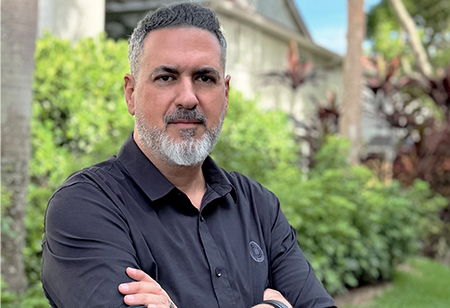
Santiago Sierra, CEO
Authentic flavor doesn’t begin on a plate. It begins with a memory. The richness of an Argentinian empanada or the golden crust of a pastelito de guayaba can instantly transport many in the Hispanic community back to their childhood kitchens.

Yet preserving that cultural connection at scale—especially in the world of food distribution—isn’t easy. Most large distributors are built for efficiency and prioritize volume. Somewhere between the warehouse and the kitchen door, the essence of a dish—what makes it feel like home—can quietly slip away.

Santiago Sierra knew this all too well. Long before founding DeliParva, a premium distributor of Latin bakery products, he was a partner in a busy restaurant in Orlando. There, he witnessed the power of good food to bring families together and reconnect them with their cultural roots.

“I quickly learned what shows up at the back door decides what happens at the front,” says Sierra, CEO. “And if distributors fell short, chefs were left to compromise on freshness, flavor and sometimes on the traditions they set out to honor.”

That realization became the foundation of DeliParva.
5 Reasons Why True Digital Transformation Looks a Lot like a Cult
Starbucks
5 Reasons Why True Digital Transformation Looks a Lot like a Cult
Jorge Paz Soldan, Business Transformation Director

Everyone claims to be embracing AI and digitally transforming their processes, but much of it feels more like a surface-level makeover than a true evolution. At this year’s National Retail Federation (NRF) conference, I recently attended a keynote from a fast-food chain about their vision for the “store of the future.” While I have no issues with this particular chain—it’s just one example of a broader trend—what was presented felt far from futuristic. The focus was on basic process improvements and a heavier reliance on app-based transactions. But is a store that simply works as expected and accepts app orders innovative? That feels more like 2013 than 2025.

This disconnect is all too familiar. When I led the first large-scale implementation of a digital app, we achieved over 60 percent digital net revenue within six months. At first glance, a massive success. However, the underlying practices, processes and routines hadn’t fundamentally changed. The same inefficiencies persisted, with sales reps placing orders on behalf of customers, inflating digital adoption metrics. It was a transformation in appearance only.

True digital transformation requires more than just moving a bad experience to the cloud. It demands disruption at the core business model, putting the customer at the center of everything. The goal should be to deliver massive amounts of customer-centric value, not just chase trends. After watching a documentary on Netflix a couple of weeks ago, it sounded all too familiar… and then it hit: achieving this level of transformation is a lot like a cult:

1. You Need a Charismatic Leader

Every successful transformation starts with a leader having the vision, credibility, and authority to challenge the status quo. Without such a leader, even the best ideas will falter. On any transformation, skeptics and naysayers will emerge, citing past failures. I had one commercial leader telling me to my face that my “little project” would never fly in Latin America and that it was something more suited for Switzerland or Canada. He may have been right without the right person pushing the buttons; however, when a trusted leader takes ownership and delivers the message, it can inspire confidence and drive change.

2. A Certain Level of Authoritarianism is Necessary

Change is uncomfortable, and opinions will vary. While collaboration and dissent are valuable, true accountability often requires strong, decisive action. Teams need to align with the leader’s vision, even when it’s difficult. Thousands of reasons not to change will surface, and some may even sound reasonable. But transformation requires commitment—and sometimes, tough decisions that may not sound democratic.

3. Cut People’s Ties to the Past

[QUOTE1_Replace]

Like cults that encourage members to abandon their previous lives, digital transformation demands a willingness to unlearn old habits. The phrase “We’ve always done it this way” is transformation’s greatest enemy. Sacred cows need to be slaughtered to make room for innovation.

4. Data to Challenge Beliefs

Transformation isn’t just about technology—it’s about changing mindsets. When faced with data that contradicts their beliefs, people start to shift. Consider the rise of tech companies like FAANG (Facebook, Apple, Amazon, Netflix, Google), which redefined value creation and made working in tech the pinnacle of professional aspiration. People didn’t start following nerds because of their haircuts or cool t-shirts… stock prices generated a flock of followers. Harnessing data to expose inefficiencies and highlight opportunities is critical, and when people start seeing miracles materializing, they believe.

5. Relentless Routines

Cults use rituals to maintain alignment, and digital transformation is no different. Success requires military-like discipline in processes. Monthly checkpoints, daily KPI reviews and regular celebrations of wins help ensure progress. Customer obsession must be embedded in every routine, fostering accountability and consistency.

Avoiding the Pitfalls of Transformation

Even the best strategies can fail. You might execute flawlessly, spending millions to build a transformational ecosystem, only to see disappointing results. Investors and stakeholders aren’t easily fooled. If your transformation doesn’t deliver measurable incremental value, it’s likely that the strategy wasn’t as radical as needed.

Holding onto an entrepreneurial spirit is critical. Maintaining a startup mindset—focusing on quality, consistency and obstinate innovation— differentiates successful transformations from empty hype.

The Cult of Digital Transformation

While building high-impact, lasting digital transformation does resemble starting a cult—there’s one key difference: this cult has the potential to create a better, happier world. By generating customer value, driving revenue growth and improving operational efficiency, true transformation can deliver results beyond financials. It can redefine industries and improve lives.

The question isn’t whether your organization will attempt digital transformation, but whether it will succeed in making it truly transformative. If done right, the journey will be challenging but immensely rewarding—for your business, customers and the world.

Latin Snacks Distributor FAQ

Q1
What Do Top Latin Snack Distributors Provide to Retailers and Foodservice Businesses?
Top Latin Snack Distributors source and distribute authentic Latin American snack products to supermarkets, restaurants, convenience stores, cafeterias and foodservice operators. These companies manage product sourcing, logistics, cold-chain distribution and wholesale supply for items such as empanadas, churros, tequeños, bakery products and ready-to-heat Latin snacks. Many Latin Snack Distributors work with regional manufacturers and specialty food producers to supply products that reflect traditional Latin American flavors and culinary preferences across diverse consumer markets.
Q2
What Products and Services Are Commonly Offered by Latin Snack Distributors?
Latin snack distribution commonly includes frozen snacks, bakery products, prepared appetizers and wholesale foodservice supply programs. Top Latin Snack Distributors may also provide private-label distribution, retail merchandising support, export logistics and inventory management services for commercial buyers. Many companies support supermarkets, stadiums, cafés and restaurant chains with scalable distribution systems designed to maintain product freshness and availability. Reliable cold-chain management and regional distribution capabilities are especially important for frozen and ready-to-heat Latin food products.
Q3
Why Is Demand Growing for Latin Snack Products?
Demand for Top Latin Snack Distributors continues to increase as consumers seek authentic international flavors and convenient prepared-food options. Growth in Hispanic food markets, multicultural dining trends and specialty grocery retail has expanded interest in Latin American snacks across the United States and international markets. Consumers are increasingly drawn to traditional foods that offer cultural authenticity and convenient preparation formats. Rising demand for ready-to-cook and frozen ethnic foods has also encouraged retailers and foodservice operators to expand Latin snack offerings within their product portfolios.
Q4
How Do Retailers and Foodservice Buyers Evaluate Latin Snack Distributors?
Retailers and hospitality businesses often evaluate Top Latin Snack Distributors based on product authenticity, distribution reliability and food safety standards. Buyers may assess product variety, sourcing quality, inventory consistency and delivery performance before selecting a distribution partner. In foodservice environments, dependable product availability and consistent flavor profiles are especially important because they directly affect menu quality and customer satisfaction. Many buyers also prioritize distributors with responsive customer service and scalable wholesale support for growing market demand.
Q5
What Business Value Do Latin Snack Distributors Create?
Top Latin Snack Distributors help retailers and foodservice businesses expand ethnic food offerings without managing direct international sourcing relationships. Distribution partners simplify procurement, logistics coordination and inventory management while improving access to authentic Latin snack products. Many businesses rely on Latin snack distributors to support menu differentiation, improve operational efficiency and respond to changing consumer preferences for multicultural cuisine. Reliable supply partnerships can also help organizations reduce sourcing disruptions and maintain consistent product quality across multiple locations.
Q6
How Are Innovation and Technology Influencing Latin Snack Distribution?
Innovation is becoming increasingly important among Top Latin Snack Distributors as companies adopt advanced cold-chain systems, digital ordering platforms and inventory tracking technologies. Many distributors are investing in e-commerce capabilities, data-driven demand forecasting and automated logistics systems to improve fulfillment efficiency and product availability. Technology is also helping companies strengthen traceability and maintain food safety compliance throughout distribution networks. Expertise in frozen food logistics, ethnic food sourcing and regional distribution management continues to shape the future of the Latin snack industry.