Food Product Distributors | Food Business Review APAC

Food Business Review

Food Product Distributors

Food product distributors supply retailers, foodservice operators, institutions and regional markets with packaged foods, snacks and related consumer products. With a focus on product availability, supply coordination, storage reliability and market reach, they support consistent inventory flow, broader brand access and smoother food distribution operations.

Aliment Snack: Where Small Retailers Win Big
Aliment Snack
Where Small Retailers Win Big
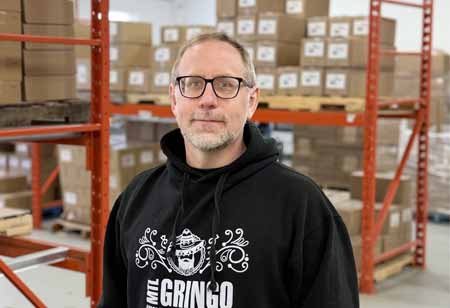
Maurice Pelletier, Director
Long before Aliment Snack became a growing name in distribution, Maurice Pelletier, its director, was doing something far more familiar and difficult: running a small food retail shop in Montreal. It was the kind of business where every decision mattered. What to stock, how much to order and when to reorder carried real financial weight. In that process, one issue kept surfacing: the system wasn’t built for businesses like his.

Food Product Distribution Networks: Supply Chain Precision in Canada

Food product distributors in Canada occupy a central position within the national food ecosystem, bridging producers and end markets through coordinated logistics, storage, and regulatory alignment. Their operations extend beyond the movement of goods, encompassing inventory planning, quality assurance, and responsiveness to shifting consumer demand across retail, foodservice, and institutional channels.

Selecting a Distribution Partner For Independent Food Retail Success in Canada

Food retail executives across Canada face a persistent imbalance in distribution access. Large chains benefit from scale-driven supply systems, predictable delivery cycles and favorable procurement terms, while independent stores operate under tighter constraints tied to inventory risk, cash flow sensitivity and limited storage capacity. This divide often leaves smaller retailers underserved, forcing them to compromise between product variety and financial discipline. The result is not simply a sourcing issue but a structural challenge that shapes how independent businesses grow, test new offerings and maintain shelf consistency.

Guillaume Couture: Safeguarding Quality and Safety in the World of Nutritional Beverages
Kerry
Guillaume Couture: Safeguarding Quality and Safety in the World of Nutritional Beverages
Guillaume Couture, Quality Assurance Manager

In the realm of food safety and quality assurance, Guillaume Couture stands out as a seasoned professional with 13 years of dedicated service at Kerry, a global leader in taste and nutrition solutions. Holding the role of quality director, Guillaume has experienced various positions within the company, honing his expertise to ensure the highest standards in food safety. Based at Kerry's Ste-Claire, Quebec facility, Guillaume's commitment to a holistic approach has elevated the quality of nutritional beverages and helped Kerry provide customers with safe, great-tasting products.

Margin Pressure Pushes Food Distributors Toward Smaller Supplier Networks

Thursday, June 11, 2026

Food distributors are having a tough time because their profits are very small. They have to deal with transportation costs, and it is hard to predict how much food people will buy. This is making them change how they work with the people who supply them with food. They used to try to work with as many suppliers as possible so they would not have to rely on just one. This made things more complicated and expensive. Now they have to deal with problems like wrong orders and higher shipping costs. This is an issue with foods that need to be frozen or refrigerated. When distributors buy large amounts of food from many suppliers, it costs more to handle and store the food. This also means they need workers in the warehouses, which is hard because many warehouses are already short-staffed. Some distributors are solving this problem by working with suppliers who can deliver food more reliably. They do not always choose the food manufacturers. Sometimes they prefer to work with suppliers who can get the food to them faster, even if it costs a little more. Small grocery stores are also affecting how distributors work. These stores do not want to buy much food at once because they are not sure how many customers they will have. This means distributors have to be careful about how much food they store so they do not run out of space or money. This change is hard for food producers who used to be able to easily get their food into many stores. Now they have to be better at predicting what food they will sell and getting it to the stores on time. It is not enough to have good food. They also have to be reliable and efficient. The people in charge of buying food for distributors are now working closely with the people in charge of shipping and storing the food. They have to think about how much it costs to transport the food, not how much the food itself costs. This is changing the way distributors work. It may mean that some new food products are not available in as many stores. In the run, only the most reliable food suppliers will be able to get their products into many stores. This could make things more stable for distributors. It may be harder for new food companies to get their products into stores. Some distributors are reducing the number of suppliers they work with. They are looking for suppliers who can deliver food quickly and reliably. Small grocery stores are being more careful about the food they buy. Small food producers have to be more efficient and reliable to succeed. Distributors are changing how they work to reduce costs and improve efficiency.

Restaurant Demand Is Changing How Food Distributors Plan Inventory

Thursday, June 11, 2026

Food distributors that serve restaurants are changing how they plan their inventory. This is because restaurants are ordering food in a way due to uneven customer traffic and tighter cash management. The change is most noticeable in -sized food distributors that mainly serve independent restaurants, not big national chains. Restaurants are now placing orders more often. They do this to avoid having much extra food and because it's harder to predict what customers will want. This makes it hard for distributors who are used to making shipments on a regular schedule. Warehouses are having trouble planning because of this. Places that store meat, prepared foods and dairy products are seeing changes in how much they need to deliver from one week to the next. It's not just that people are ordering less. The problem is that distributors need to have the right amount of food at the right time. If they have a lot of food, it might spoil and that wastes labor and money. Some distributors are changing their rules to make smaller orders work. However, they need to be careful because restaurants have budgets and might go to competitors who offer more flexible delivery options. Distributors need to balance being responsive to restaurants with the cost of delivery. Distributors are also spending money on technology by investing in platforms that deal with customers. They are focusing on tools that help them predict demand and manage their inventory. They want to reduce the amount of food they have in storage and understand what restaurants are likely to order This change is also affecting negotiations with suppliers. Food manufacturers used to rely on orders from distributors. Now distributors are placing conservative orders, especially for specialty ingredients that restaurants only use for a short time. Distributors are also having trouble with staffing in their warehouses. When restaurant orders change a lot from one day to the next, it's hard to plan staffing schedules. Some distributors are hiring workers during busy times, but that can lead to mistakes. Regional distributors might feel the impact more than others. They often have networks and less flexibility to deal with changes in demand. Some businesses are rethinking their plans to expand into new areas. Restaurants are unlikely to go back to their old ordering habits soon. They are cautious about having much extra food, especially if it's likely to go to waste. Distributors now need to be responsive to restaurants. That is becoming more expensive.

Traceability Demands Increase Administrative Burden for Food Distributors

Thursday, June 11, 2026

Food distributors have to deal with a lot of paperwork. That is taking up more of their time. This is because retailers and other buyers want to know more about where the food's coming from and how it is being moved. They want to see all the records and documents. That is a lot of work for the distributors. This is not about following the rules. Buyers want to be able to get information about the food, like where it came from and when it was shipped. If there is a problem with the food, they want to know away. Distributors used to do this by hand. Now they have to do it faster. If they do not, they might lose customers. This is especially hard for distributors who work with a lot of food producers. Each producer might have ways of keeping records, so the distributors have to spend more time making sure everything is correct. This takes up a lot of time for the warehouse workers. Retailers are also being more careful about making sure they can recall food if there is a problem. They want to be able to track the food from the warehouse to the store. This means distributors have to keep records, which can be hard if they are using old systems. All of this work means distributors have to hire more people to help with the paperwork. They might even have to choose between hiring salespeople and more people to help with the records. This shows how much things have changed. Buyers now care about how distributors can keep records and respond to questions. Smaller distributors have a hard time paying for new systems to help with the records. They might not see any extra money come in anyway, so it is hard to justify spending a lot of money. The way distributors work with the people who make the food is also changing. Distributors want the food producers to send them accurate records before they even get the food. If the producers do not do this, it can cause delays and problems for the retailers. This is especially important for food that has to be kept cold or has a short shelf life. If there are mistakes with the paperwork, it can cause problems. The buyers are not going to stop asking for all of this information, so distributors have to find a way to make it work. They have to be good at moving the food and keeping the records. It is not about being cheap and getting the food there on time anymore.

Food Product Distributors Info

Q1
What Do Top Food Product Distributors in Canada Do for Retailers and Food Businesses?
Top Food Product Distributors in Canada connect food brands, retailers, grocers, specialty shops, restaurants and other buyers with products that need dependable sourcing and delivery. It manages purchasing, warehousing, order handling, routing and account support so shelves, kitchens and sales channels stay supplied. For smaller buyers, the right distributor can also reduce the pressure of managing many supplier relationships at once.
Q2
What Services Are Usually Included in Food Product Distribution?
Services often include product sourcing, inventory storage, order consolidation, delivery scheduling, stock updates, category support and customer service. Top Food Product Distributors in Canada may also help buyers manage mixed product orders across snacks, pantry goods, beverages, ingredients or specialty foods. Good distribution is not only about moving cases. It also depends on order accuracy, storage conditions, delivery timing and clear communication when demand changes.
Q3
Why Is Demand Growing for Food Product Distributors in Canada?
Demand is shaped by a crowded retail market, changing consumer tastes, regional food brands and the need for more flexible supply options. Independent stores, foodservice buyers and specialty retailers often need variety without carrying excessive inventory. Top Food Product Distributors in Canada are important because they help buyers test products, restock faster and respond to local demand without building a large procurement team.
Q4
How Are Leading Food Product Distribution Providers Selected?
Editors and buyers typically look at reliability, product range, delivery discipline, service quality, geographic reach, food handling practices and the distributor’s fit with its customer base. Top Food Product Distributors in Canada should be evaluated under real ordering conditions, not only through a capabilities list. A useful review might compare how a provider handles a small mixed order, a delayed shipment and a fast-moving product that needs quick replenishment.
Q5
What Business Value Do Food Product Distributors Deliver?
Top Food Product Distributors in Canada help reduce stock gaps, excess inventory, supplier complexity and time spent coordinating individual orders. For retailers, that can mean better shelf availability and fewer cash flow problems caused by overbuying. For food brands, distribution can widen access to stores that would be hard to serve directly. A missed delivery can cost sales quickly, especially when storage space is limited.
Q6
How Do Technology and Expertise Improve Food Product Distribution?
Technology supports ordering portals, inventory visibility, route planning, warehouse controls and better demand tracking. Experience still matters because food product distribution depends on product knowledge, buyer habits, seasonal swings and practical delivery constraints. Top Food Product Distributors in Canada combine digital tools with account support that can explain substitutions, reorder timing and assortment choices in plain terms. The strongest providers make distribution easier to manage without removing human judgment.