
Food Business Review

Craft Spirits Producers

Craft spirits producers create small-batch alcoholic beverages using distinctive ingredients, fermentation methods, distillation practices and regional production styles. With a focus on flavor consistency, product quality, brand identity and controlled production, they support differentiated beverage offerings and stronger consumer engagement.

10th Mountain Whiskey & Spirits: Honoring Heroes While Crafting a Legacy!
10th Mountain Whiskey & Spirits
Honoring Heroes While Crafting a Legacy!
Ryan Thompson, CEO and Founder
What historical legacy shapes the foundation and purpose of 10th Mountain Whiskey & Spirits?

Craft Spirits Producer: Artisanal Distillation and Evolving Market Identity

Craft spirits producers occupy a distinctive space within the broader beverage landscape, defined by their emphasis on small-batch production, ingredient integrity, and creative expression. Unlike large-scale manufacturing models that prioritize uniformity, craft distillation is rooted in experimentation and regional identity, where the character of raw materials and production techniques directly influences the final product. These producers often operate with a strong sense of narrative, connecting the process of distillation to heritage, geography, and craftsmanship.

Evaluating Craft Spirits Producers for Distinctive Quality and Market Differentiation

For executives sourcing premium spirits, the challenge no longer lies in finding capable producers but in identifying those that can sustain differentiation in a crowded craft landscape. The proliferation of small-batch distilleries has elevated baseline expectations around quality, forcing buyers to look beyond surface-level branding and into the underlying mechanics that shape consistency, provenance and long-term value in a portfolio.

Scaling Menu Innovation Through Smarter Procurement Strategy
Norms Restaurants
Scaling Menu Innovation Through Smarter Procurement Strategy
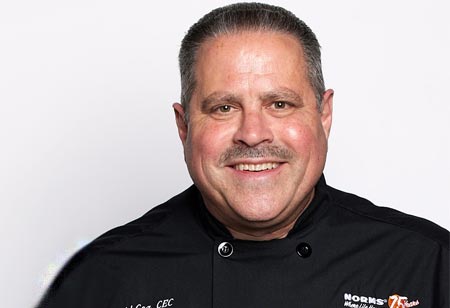
David Cox, Corporate Executive Chef/VP of Food & Beverage

David Cox is a procurement and supply chain executive whose background as an executive chef shapes a practical, performance-driven approach to sourcing. He evaluates purchasing decisions based on real kitchen conditions and operational demands. At Norms Restaurants, he partners closely with suppliers to support menu innovation, protect execution and uphold the brand’s commitment to quality, value and scratch-made food.

Craft Spirits Producers Info

Q1
What Do Craft Spirits Producers Do?
Craft spirits producers create, distill, age, blend, bottle and market spirits that are typically made in smaller and more carefully controlled batches than large commercial brands. Their portfolios may include whiskey, gin, rum, vodka, brandy and specialty liqueurs, each requiring a different balance of ingredients, technique and aging methods. For the top craft spirits producers, quality comes down to much more than branding. It depends on ingredient sourcing, fermentation control, distillation expertise, barrel management, sensory evaluation and a consistent approach to how each bottle is presented to consumers.
Q2
What Products and Services Are Included in Craft Spirits Production?
Craft spirits production involves every stage of the process, from recipe development and sourcing grains or botanicals to fermentation, distillation, aging, proofing, bottling and labeling. Many producers also operate tasting rooms, offer guided experiences and manage wholesale or retail partnerships where regulations allow. Beyond making spirits, the top craft spirits producers balance creative experimentation with strict operational discipline, including batch documentation, excise tax compliance, production safety and consistent product quality across releases.
Q3
What Is Driving Demand for Craft Spirits Producers?
Demand for craft spirits continues to grow as consumers look for products with a stronger sense of origin, smaller batch character and a more authentic production story. Buyers increasingly want to know where ingredients come from, how a spirit was made and what makes it different from mass market alternatives. Even in a challenging market environment, the U.S. craft spirits industry reached 12.7 million nine liter cases and generated $7.58 billion in sales in 2024, despite broader pressure on volume growth and distribution access. The top craft spirits producers are now competing through customer loyalty, regional identity, product quality and disciplined expansion rather than scale alone.
Q4
How Are Top Craft Spirits Producers Selected?
The strongest craft spirits producers are evaluated on far more than packaging design or tasting room appeal. Industry buyers, editors and category experts look closely at product consistency, distillation expertise, ingredient sourcing practices, blind tasting performance, industry recognition, regulatory compliance and the ability to maintain quality as production grows. The top craft spirits producers also demonstrate production discipline by expanding carefully instead of pushing output beyond what their process, equipment or aging capacity can realistically support.
Q5
How Do Craft Spirits Producers Create Value for Consumers and Trade Partners?
A reliable craft spirits producer gives consumers confidence that every bottle will deliver a consistent flavor profile, a clear production identity and a level of quality worth returning to. For restaurants, retailers and distributors, value comes from dependable supply, accurate labeling, staff education support, stable margins and fewer quality issues in the market. The top craft spirits producers strengthen those relationships by treating compliance, inventory management and quality control as essential parts of the customer experience rather than back office responsibilities.
Q6
What Role Do Innovation and Expertise Play in Craft Spirits?
Innovation in craft spirits often comes from practical production decisions such as yeast selection, still configuration, barrel choice, finishing techniques, botanical balance or lower waste production methods. But experimentation alone is not enough. Experience and sensory judgment determine whether a new release is truly ready for the market or still needs refinement. The top craft spirits producers increasingly use technology for testing, traceability and process monitoring, while relying on experienced distillers and blending teams to make the final quality decisions that shape the finished spirit.