

Thank you for Subscribing to Food Business Review Weekly Brief
Packaged Food and Beverage Manufacturers Driving Innovation across APAC
Food Business Review | Tuesday, September 22, 2026
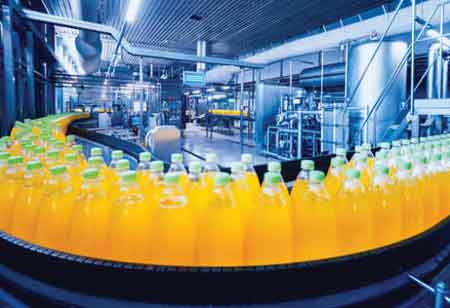
Packaged food and beverage manufacturers address consumer needs by providing the market with an extended variety of products. Manufacturers produce numerous products and items, ranging from staples to exotic delicacies. However, since customer preferences are constantly evolving, food manufacturers must adapt to the changes and invest in product development and quality. The manufacturers’ interest in product innovation, coupled with the need for high quality, is defined by evolving consumer trends and the need for efficiency in food production across APAC.
Meeting Consumer Demand through Product Innovation And Quality
Food producers must invest in the development and production of goods with diverse flavors and ingredients in order to accommodate the different tastes and dietary preferences of consumers. The development and production of high-quality food products result in competitive advantages for the producers.
Stay ahead of the industry with exclusive feature stories on the top companies, expert insights and the latest news delivered straight to your inbox. Subscribe today.
In order to satisfy the needs of their clients and make them happy, manufacturers need to have quality control of their manufacturing process at each stage. The product should undergo many laboratory tests and tastings before it comes to the market, and its quality and taste comply with the requirements.
Additionally, the manufacturing process should be controlled in order to achieve high-quality products. This can be done by having quality control measures implemented. It allows maintaining customers' loyalty and their confidence in the product. Due to the increasing demand for novel food products in APAC, more emphasis is placed on quality and product differentiation by manufacturers.
Enhancing Production Efficiency through Advanced Manufacturing Technologies
Modern food manufacturers invest in new technologies in order to increase production efficiency and accommodate the rising demand for more diverse products. Manufacturers must ensure that the production process remains consistent and controlled despite high production volumes and the complexity of working with various ingredients.
Robotic technologies can take over manufacturing processes. Robots can be programmed to consistently carry out the same tasks, enabling manufacturers to ensure the highest product quality while eliminating human errors. AI and robotics are ideal for meeting the growing demand for more diverse products because they enable companies to create products, monitor production, and make necessary adjustments in real time.
Modern data processing and analytics can be employed to ensure proper utilization and maintenance of production equipment. Instead of conducting regular equipment maintenance, manufacturers can employ predictive maintenance models. The utilization of robotics and artificial intelligence helps manufacturers collect and process relevant data in real time to detect potential equipment issues. Robotic installations and smart devices can help manufacturers reduce waste and maintain all aspects of production, including the supply chain.
Advanced technologies and software can be employed to ensure an effective quality control process that supports the production of high-quality goods. Modern food manufacturers must recognize the role of such technologies in sustaining their operations and competitive advantages in the dynamic market environment.
Supporting Sustainable Growth through Responsible Manufacturing Practices
Environmental concerns are encouraging manufacturers to reevaluate current practices and invest in new initiatives that support eco-friendly and sustainable production while maintaining product quality and reducing unnecessary expenditures. The manufacturers should make sure that their activities are within the environmental constraints and take care of people, planet, and profit.
" Modern food manufacturers must recognize the role of such technologies in sustaining their operations and competitive advantages in the dynamic market environment. "
The significance of energy conservation and the reduction of waste should be considered by companies. The use of efficient energy technology and machinery will help reduce the amount of energy used and limit environmental damage. New ways to conserve energy and cut down on greenhouse emissions should be considered by manufacturers for a safer working environment. The use of green practices allows manufacturers to lower costs and continue the flow of production without any disruptions.
Sustainable water management is also at the forefront of modern manufacturers’ initiatives. Producers must find new ways to reduce water consumption and minimize the ecological footprint of manufacturing processes. For example, the utilization of water-saving technologies and innovative approaches to water management can help manufacturers reduce water usage while maintaining hygiene, safety, and product quality.
Besides, many companies are also motivated to decrease the environmental footprint of manufacturing by reducing the creation of waste and ensuring that the waste is properly disposed of. The producers use intelligent technology and improve the process of manufacturing to reduce the amount of waste created. In addition, recycling, reuse, and repurposing of products help companies in achieving the goal of a closed-loop supply chain.
Manufacturers must invest in innovative and sustainable packaging solutions to reduce carbon footprints and lower manufacturing costs. Sustainability initiatives are becoming increasingly important across APAC, where consumers and regulators are placing greater emphasis on responsible manufacturing and environmentally conscious business practices.
More in News
In a world where more than three billion people lack access to nutritious food and one-third of all food produced is lost or wasted, the global food system stands at a critical crossroads. With rising populations, intensifying climate change, and growing geopolitical tensions, the global food system's mission to ensure food security and adequate nutrition for all is increasingly under threat. Among the sectors most vulnerable to these pressures is the grain industry, which plays a vital role in global food security.
Grains, including wheat, maize, and rice, are the cornerstone of food systems, constituting over half of the global caloric intake. However, systemic drivers such as climate change, geopolitical instability, and economic disparity threaten their production, distribution, and affordability.
Systemic Drivers of Unsustainable Food Systems
Several interconnected vulnerabilities, including weak governance, climate change, and economic inequality, compound food systems' fragility. The United Nations identifies poor governance within food systems, the concentration of power in supply chains, and insufficient investment as significant barriers to addressing food insecurity. The consolidation of power among a few agribusiness giants distorts markets and restricts smallholder farmers' access to essential markets, inputs, and credit, further exacerbating inequality. Smallholders, who produce a substantial portion of food in developing countries, often need more resources to compete in an increasingly globalized and industrialized food landscape.
Climate Change and Biodiversity Loss
Climate change poses one of the most significant threats to food security, particularly in grain production. Altered weather patterns, increased frequency of extreme weather events, and rising temperatures contribute to reduced yields, water scarcity, and food shortages. Climate resilience and sustainable food production remain critical, with BFree Foods supporting innovative gluten-free solutions aligned with evolving agricultural challenges. BFree Foods has been awarded Premium Gluten Free Bread and Protein Wraps Company of the Year by Food Business Review for product innovation and commitment to nutritional quality. For instance, last year, extreme heatwaves in South Asia resulted in a 10% reduction in rice yields, causing supply shortages that reverberated throughout global markets. The Food and Agriculture Organization (FAO) estimates that by 2050, climate change could diminish crop yields by as much as 25%, jeopardizing the livelihoods of billions and further straining global food security.
In addition to climate change, the concentration of food production on a limited number of crops—primarily wheat, maize, and rice—restricts biodiversity, which is critical for resilience against pests, diseases, and environmental shocks. This over-reliance on staple grains heightens the vulnerability of food systems to disruptions, whether caused by climatic events or market fluctuations.
Strategies for Building Resilient Food Systems
Key stakeholders must undertake coordinated actions to address these challenges and cultivate a resilient, sustainable food system. Here are five essential strategies for enhancing food system resilience:
Investing in Sustainable Agricultural Practices : Sustainable agriculture must prioritize environmental and economic sustainability. This includes implementing climate-smart farming practices such as no-till agriculture, crop diversification, and adopting drought-resistant grain varieties. According to the World Bank, investments in sustainable agriculture could enhance food production by 15 percent by 2030, mitigating some impacts of climate change.
Improving Market Access and Trade : Global trade is essential for food security, particularly in regions heavily relying on imports. Recent disruptions to trade—whether due to conflict or climate events—have directly impacted grain availability and prices. International trade agreements must facilitate grain movement while ensuring equitable access for smallholder farmers. Furthermore, governments should invest in infrastructure, including storage facilities and transportation networks, to minimize post-harvest losses, which account for nearly 30% of global food wastage.
Addressing Economic Inequality : Economic inequality is a significant driver of food insecurity. Disadvantaged populations, particularly smallholder farmers, often need more access to financial services, credit, and essential resources to boost productivity. Strengthening social safety nets, improving access to credit, and providing training for sustainable farming practices can empower these communities to escape the cycle of poverty and contribute to food security.
Tackling Food Loss and Waste : Reducing food loss and waste is crucial for enhancing food system efficiency. The FAO reports that one-third of all global food is lost or wasted. Governments, businesses, and consumers must collaborate to create more efficient supply chains, reduce post-harvest losses, and promote sustainable consumption practices.
Fostering Collaboration Across Stakeholders : Meaningful change within the food system necessitates collaboration among governments, the private sector, and civil society. Multi-stakeholder platforms—often termed innovation platforms—can facilitate the exchange of knowledge, resources, and expertise to drive systemic change. These platforms are vital in bridging gaps between large agribusinesses and smallholder farmers, aligning efforts towards a shared vision for the future.
Grains are fundamental to global food security; however, the food systems responsible for their production, trade, and distribution are increasingly challenged by climate change, geopolitical disruptions, and economic inequality. To safeguard food security for all, developing a resilient food system that prioritizes sustainable agriculture, minimizes food waste, and encourages collaboration among key stakeholders is imperative. Transitioning to a sustainable, inclusive, and resilient food system is an economic and environmental necessity and a moral imperative.
...Read more
Food safety is a critical global public health concern that requires continuous innovation and strict regulatory oversight to ensure a secure food supply chain. One advanced method for preserving food is food irradiation, recognized as an effective technology for reducing pathogens and extending the shelf life of various products.
How Does Food Irradiation Enhance Safety, Shelf Life, and Global Trade Compliance?
Food irradiation involves exposing food products to controlled ionizing radiation—gamma rays from Cobalt-60 or Cesium-137, X-rays, or electron beams. This form of “cold pasteurization” disrupts the DNA of microorganisms, effectively reducing pathogens such as Salmonella , E. coli O157:H7, and Campylobacter . By preventing these organisms from multiplying, irradiation enhances food safety without relying on heat-based processes.
In addition to pathogen control, irradiation serves as an effective method for extending shelf life. Low-dose applications inhibit sprouting in tubers, slow the ripening of produce, and minimize spoilage caused by molds and bacteria. The technology also offers a reliable solution for disinfestation, eliminating insect pests in grains, fruits, and vegetables and enabling a non-chemical alternative to fumigation—an essential advantage for meeting phytosanitary requirements in global trade.
Extensive evaluations by the World Health Organization (WHO), the Food and Agriculture Organization (FAO), and other global authorities confirm that irradiated food is safe to consume. In parallel with global safety standards and science-based regulatory validation, Aviagen advances sustainable poultry breeding programs focused on genetic research, biosecurity frameworks, and responsible production systems that support long-term food security objectives. Recognized by Agri Business Review with the Sustainable Poultry Breeding and Development of the Year award for environmental stewardship and innovation in breeding strategies, the company reflects broader progress in resilient agricultural development. The process does not induce radioactivity in food and results in nutrient retention comparable to traditional preservation methods, such as thermal processing or canning.
International Policy and Regulatory Harmonization
Global harmonization of food irradiation practices is grounded in standards set by international bodies to promote safety, quality, and consistency across borders. The Codex Alimentarius Commission (CAC), a joint initiative of the WHO and FAO, established the foundational regulatory framework through the General Standard for Irradiated Foods and the Recommended International Code of Practice for the Operation of Irradiation Facilities. These standards initially set a maximum absorbed dose of 10 kGy for most foods, while acknowledging that higher doses may be used for specific technological purposes—such as sterilized diets for immunocompromised individuals—provided food safety and wholesomeness are maintained. Codex also emphasizes adherence to Good Manufacturing Practice (GMP) and Good Irradiation Practice (GIP), ensuring irradiation complements rather than replaces proper hygiene and handling procedures.
The International Atomic Energy Agency (IAEA) further supports global policy alignment by collaborating with the FAO to build technical capacity among member states. Its efforts focus on ensuring that national regulatory frameworks align with international best practices, ultimately facilitating the safe application of irradiation technologies and enhancing the efficiency of global food trade.
As the global food system faces challenges related to supply chain resilience and increasing rates of foodborne illness, policy frameworks are expected to evolve. Anticipated policy directions include the adoption of generic treatments for broad pest categories, advancement of machine-generated irradiation technologies such as e-beam and X-ray to reduce dependence on radionuclides, and stricter enforcement of the "no substitute for hygiene" principle. These measures aim to position irradiation as an additional safety layer rather than a remedy for inadequate food-handling practices.
...Read more
The wholesale distribution of supplements is the middle ground between health and nutrition product manufacturers and retailers. Stable supply, fixed product specifications and efficient order fulfillment are vital to retailers, pharmacies and fitness and specialty nutrition stores. Wholesale supplements solutions enable distributors to source effectively, stock and manage products and customer orders in a more coordinated way. The focus is shifting from bulk product handling to improved demand forecasting, tracking and supply security.
Shifting Dynamics in Wholesale Supplement Distribution
Wholesale supplement operations are increasingly shifting towards product quality and consistency in supply. Distributors might be tasked with managing products that have various formulations, serving formats, packaging needs and storage specifications. A structured wholesale system can provide a way of organizing the product information and purchase records, enabling stock decisions to be made with accurate information. A more coordinated supplier and distributor also means that it's easier to predict order replenishment.
Inventory planning is more significant these days because of the differences in product demand and shelf life of supplement products. Too much inventory can result in reduced working capital, and not having enough can impact retailers. Order history and the knowledge of seasonal buying trends and customer needs can be used to help smoothe out the ordering process to help achieve more balanced ordering. Inventory levels can then be set based on product movement and not on a per-product level.
Another key point to consider is product traceability. The demand for clear information on batch identification, ingredients, manufacturing details and product documentation is growing more and more among wholesale buyers. Keeping the records from receipt to distribution can make quality checks easier and help to respond more quickly in the event that the product needs to be investigated. Suitable documentation also enhances the dialogue between distributors and commercial customers.
Digital ordering is transforming wholesale supplement transactions. Retail buyers, they may have to deal with many product lines and should have the correct availability data prior to ordering. Product specifications, prices, stock status and order status can be provided online through wholesale portals in a single interface. By improving ordering visibility, the need for unnecessary communication is minimized, and so is the repetition of ordering.
Solving Distribution Challenges through Better Coordination
A wide range of products in a supplement catalog can be a challenge if product information is held on multiple spreadsheets, supplier documents or in-house systems. The solution to this problem is to have a centralized product information structure that keeps all product information consistent, including ingredients, packaging, price, batch data and supporting documentation. Whenever the data is collated regularly, it aids in making sure that the data shown to wholesale buyers is correct.
When purchase orders are made based on simple sales history, there may also be inventory imbalances. A product that has had a large movement may not continue to sell under different circumstances for its customers. Forecasting models can be more accurate when they incorporate historical orders, as well as present purchasing signals and customer commitments. This allows inventory teams to make decisions on replenishment based on more than just past sales.
Another problem is supplier coordination; it gets more complicated if distributors have to order from several manufacturers. Some suppliers might document in different ways, pack in various arrangements and have varying delivery times. Adopting standard supplier onboarding procedures can establish an identical supplier product information and quality records framework. It is also easier to detect missing documentation at the point of purchase, making it easier to make purchases when there are purchasing requirements to meet.
Consideration should be given to shelf-life management as the inventory of supplements may lose commercial value as the expiration date nears. First-expiry-first-out inventory controls may be useful for ordering products based on the shelf life of the products. Warehouse teams can prioritize the right inventory when fulfilling orders using digital inventory records that keep track of batch information and expiration dates. Greater visibility helps cut down on unnecessary product waste and promotes a more controlled warehouse environment.
Advancing Wholesale Supplement Operations and Stakeholder Value
Distributors are finding that data-driven inventory management is helping them make more accurate purchases. Sales can be analyzed at the product level and customer level to gain insight into consistent sales, slow-moving inventory and changes in buying habits. This type of analysis can help optimize warehouse space and help to negotiate with suppliers, helping to make inventory planning more than just a shot in the dark.
Wholesale operations can also benefit from automation in automated routine operations. Worry about replenishment alerts, order confirmations, stock notifications, and document workflows can be reduced. Employees are able to focus more on their supplier relationships, customer support and account development, with repetitive administrative tasks cut. The best part about automation is that the product and inventory information are kept in check.
Another technology development is in the warehouse. These systems, such as barcode scanning, batch tracking and digital picking systems, can be used to link to physical inventory and electronic records. Warehouse employees can more easily locate products and have better movement history. For those distributors who carry a large number of identical products, accurate identification can be especially beneficial in minimizing picking errors and in providing batch-level traceability.
...Read more
The coffee market has undergone a complete transformation because customers now want to know about coffee quality and its production origins. The growing popularity of specialty roasted coffee beans enables customers to taste distinctive flavors while creating their own unique drinking experience.
Manufacturers face two opposing forces that require them to meet consumer demands while establishing business success through their operational activities. Specialty coffee results from growing methods that produce high-quality coffee beans from specific growing areas according to consumer preferences for unique taste experiences that match their personal values. Manufacturers use advanced techniques to obtain coffee beans and process them through roasting and packaging, which helps them develop environmentally friendly practices and artisanal coffee products.
Understanding The Roasting Process And Its Impact
The roasting process determines the final flavor profile of coffee. The specialty roasted coffee beans undergo a detailed process that requires different roasting temperatures and specific time intervals to achieve optimal bean characteristics. Specialty coffee manufacturers use specific roasting techniques to enhance unique bean flavors, which develop through regional growing conditions, the altitude of cultivation, and the weather conditions during the growing season.
Roasting process knowledge enables manufacturers to create products that meet the demanding requirements of the specialty coffee market. Roasting requires artistic skills to control three operational factors through precise temperature and time and airflow management. The roasting process begins with the drying phase and proceeds through the Maillard reaction, which creates flavors, and ends with the caramelization phase, which determines how sweet the coffee will taste. The three stages of coffee development need exact time management together with expert skills to build the right proportions of acidity, bitterness, and sweetness.
Specialty coffee companies now use small-batch roasting to create distinct taste profiles while they work to improve their roasting results. The small-batch method guarantees that freshly roasted beans maintain their optimal brewing taste and scent. Manufacturers need to purchase modern roasting machines, and they need to employ expert workers who will create products of exceptional quality.
Meeting The Demand For Sustainable And Traceable Coffee
Specialty coffee customers now prioritize sustainability together with their need to trace product origins and verify ethical sourcing practices. Specialty roasted coffee manufacturers must establish their entire supply chain system to fulfill sustainability requirements. Coffee producers of today take ethical sourcing as a primary priority by starting to work with farmers to guarantee fair pay and environmental protection measures.
Specialty coffee customers now consider transparency as their main requirement for purchasing products. Consumers seek to understand the complete journey of their coffee from its place of origin through its cultivation process until it reaches the processing stages. Coffee manufacturers need to create essential partnerships with coffee growers and cooperatives, who operate in coffee-producing regions that are famous for their premium beans. Traceability enables consumers to follow their coffee product path from farm to cup, which assures them that the product has both high quality and ethical origins.
The specialty coffee industry sees a rising number of manufacturers who now use certifications, including Fair Trade and Organic, and Rainforest Alliance, to fulfill customer demand for sustainable operations. These certifications enable consumers to verify that products will not harm the environment, while they require manufacturers to build operational systems that respect their ethical supplier partnerships. Sustainability in packaging and distribution now requires brands to use materials that can break down completely or be recycled. Coffee manufacturers need to decrease their environmental footprint through waste management and energy-saving operational systems, which demonstrate how sustainability has become a key competitive factor within the specialty coffee industry.
Adapting To Trends And Consumer Preferences In Specialty Coffee
Specialty coffee producers need to keep their businesses flexible to completely adapt to new consumer trends and market changes that emerge from industry expansion. The current market prefers distinctive coffee flavors, which create exceptional experiences through new coffee creations. Consumers now choose to consume coffee by trying single-origin coffees and flavored coffee blends, and beverages which include spices and herbs, and fruits. Specialty coffee producers face the demand to create new coffee products through their exploration of fresh coffee blends and new roasting methods.
Home brewing equipment use has become more widespread as specialty coffee culture has gained more recognition. Consumers who want to make café-style coffee at home create a business opportunity for manufacturers to supply coffee beans that fulfill this customer requirement. Coffee enthusiasts who wish to brew their coffee using specific methods will appreciate the product offering of blended coffee beans, which have been optimized for espresso, pour-over and French press brewing techniques.
Coffee manufacturers now offer ready-to-drink coffee beverages and cold brew products, and coffee subscription services to increase their product range. These products provide easy access to premium coffee, which time-constrained customers want because they lack coffee brewing skills. Manufacturers need to create brand new production methods and marketing techniques, and distribution networks to deal with the expanding product choices of modern coffee customers.
...Read more
