

Thank you for Subscribing to Food Business Review Weekly Brief
Enhancing Efficiency: Co-Packing as a Key Strategy for Beverage Brands
Food Business Review | Friday, September 25, 2026
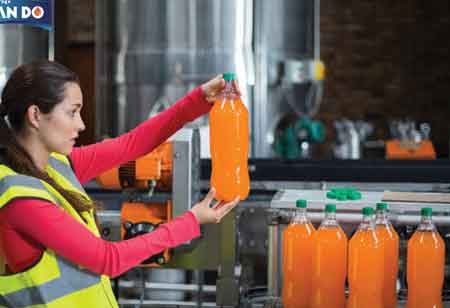
Beverage manufacturing is increasingly dependent on consumer demands, efficiency of operations, and adaptable manufacturing systems. When beverage manufacturers produce new varieties, forms of packaging, and types of beverages, internal manufacturing requires considerable expenses on machinery, staff, facilities, and quality control systems.
Co-packaging of beverages is one of the more effective methods, whereby companies have the opportunity to collaborate with specialized producers who deal with certain phases of the manufacturing process. In this way, beverage companies can use the expertise of the manufacturing industry while focusing their efforts on developing products, designing market strategies, and dealing with customers. Co-packaging has become an integral part of supply chain management for the beverage industry.
Stay ahead of the industry with exclusive feature stories on the top companies, expert insights and the latest news delivered straight to your inbox. Subscribe today.
Unlocking Success: Co-Packing for Beverage Brands
The co-packer for beverages offers manufacturing services in accordance with the needs of the client, which might entail ingredient handling, blending, filling, packing, labeling, and preparation of the final products. The nature of the services offered is dependent on the production process, formulation, packaging requirements, and quantities. This allows companies to avoid building a production facility and gives them the option of using specialized machinery without having to incur the total costs associated with such investments.
Co-packaging may be useful to existing companies that require more capacity. The factors such as seasonality, new products, regional expansion, and volume fluctuations can affect the capacity of current manufacturing. Involving an outside production partner will increase capacity while providing businesses with the continuity of their supply chains. This will allow businesses to become flexible with production and change volumes as required.
Quality management is another important factor to consider. Professionals who provide co-packing services normally have a defined process for managing ingredients, manufacturing, sanitation, packaging, and storage processes. Well-defined processes will assist companies in ensuring that product specifications remain consistent throughout the production process. Good communication is key if any changes need to be made.
Critical Assessments for Effective Production Planning
It is necessary to consider production capabilities when choosing a co-packer. The business must assess whether the facility is capable of managing the product, the type of package, production volumes, and process requirements that come along with it. Equipment becomes important since there could be different equipment needs depending on the type of drink that will be produced.
Capacity planning should be looked into along with other factors as well. The right partner would be one who could accommodate the expected volume of business without compromising on practical production schedules. Other factors that businesses would want to be aware of include minimum order quantity, lead times, storage, ingredient sourcing and production changes. All of these have an impact on inventory management and cash flow.
Regulatory and quality needs should constitute yet another section of the assessment process. The manufacture of beverages has aspects such as food safety standards, traceability, labeling needs, sanitization practices, and documentation. Companies need to outline their responsibilities regarding testing, specifications, approval, and documentation before the process of manufacture commences. Documentation ensures increased visibility of the entire manufacturing process.
This is an area that merits special consideration due to its effects on production as well as on marketing. Different types of packaging, such as bottles, cans, cartons, and pouches, may entail different kinds of machinery and handling of materials. Proper coordination between the packaging and production processes could help avoid delays as well as wastage of material.
Unlocking Success: The Role of Co-Packing in Operations
The co-packing process can be strategically integrated into a beverage company’s operations beyond being an external production function. With growing demands, companies can rely on production figures, orders, and quality control to enhance forecasting and inventory management. Effective communication may also provide an opportunity for improving the production schedule, packaging, and cost control.
Technology can help solidify this connection even further. Planning software for production, digital databases for inventory, systems for quality control, and tracing technology can increase transparency through the manufacturing process. Increased information makes it easier for companies to plan procurement, production, logistics, and customer needs. For co-packers, technology can be used to ensure consistency through different specifications and production schedules.
This model can also facilitate innovations in products when the manufacturing partners possess the flexibility of their equipment and expertise in that area. Firms can experiment with new formulas, new designs of packages or volume of production without having to set up new facilities at once. This makes it possible to experiment without increasing costs of capital. Nonetheless, innovations require accurate specifications and testing as well as cooperation.
Beverage co-packing gives companies an opportunity to leverage production capabilities that may supplement their own and meet different business needs. The advantages of this method are determined by the selection of the right partner, the definition of roles, quality standards maintenance, and proper capacity planning. If all these factors come together, co-packing can help make manufacturing, coordination of supply chains, and business operations more effective. In the context of the ongoing transformation of the beverage market, co-packing can still be a viable manufacturing solution.
More in News
The coffee market has undergone a complete transformation because customers now want to know about coffee quality and its production origins. The growing popularity of specialty roasted coffee beans enables customers to taste distinctive flavors while creating their own unique drinking experience.
Manufacturers face two opposing forces that require them to meet consumer demands while establishing business success through their operational activities. Specialty coffee results from growing methods that produce high-quality coffee beans from specific growing areas according to consumer preferences for unique taste experiences that match their personal values. Manufacturers use advanced techniques to obtain coffee beans and process them through roasting and packaging, which helps them develop environmentally friendly practices and artisanal coffee products.
Understanding The Roasting Process And Its Impact
The roasting process determines the final flavor profile of coffee. The specialty roasted coffee beans undergo a detailed process that requires different roasting temperatures and specific time intervals to achieve optimal bean characteristics. Specialty coffee manufacturers use specific roasting techniques to enhance unique bean flavors, which develop through regional growing conditions, the altitude of cultivation, and the weather conditions during the growing season.
Roasting process knowledge enables manufacturers to create products that meet the demanding requirements of the specialty coffee market. Roasting requires artistic skills to control three operational factors through precise temperature and time and airflow management. The roasting process begins with the drying phase and proceeds through the Maillard reaction, which creates flavors, and ends with the caramelization phase, which determines how sweet the coffee will taste. The three stages of coffee development need exact time management together with expert skills to build the right proportions of acidity, bitterness, and sweetness.
Specialty coffee companies now use small-batch roasting to create distinct taste profiles while they work to improve their roasting results. The small-batch method guarantees that freshly roasted beans maintain their optimal brewing taste and scent. Manufacturers need to purchase modern roasting machines, and they need to employ expert workers who will create products of exceptional quality.
Meeting The Demand For Sustainable And Traceable Coffee
Specialty coffee customers now prioritize sustainability together with their need to trace product origins and verify ethical sourcing practices. Specialty roasted coffee manufacturers must establish their entire supply chain system to fulfill sustainability requirements. Coffee producers of today take ethical sourcing as a primary priority by starting to work with farmers to guarantee fair pay and environmental protection measures.
Specialty coffee customers now consider transparency as their main requirement for purchasing products. Consumers seek to understand the complete journey of their coffee from its place of origin through its cultivation process until it reaches the processing stages. Coffee manufacturers need to create essential partnerships with coffee growers and cooperatives, who operate in coffee-producing regions that are famous for their premium beans. Traceability enables consumers to follow their coffee product path from farm to cup, which assures them that the product has both high quality and ethical origins.
The specialty coffee industry sees a rising number of manufacturers who now use certifications, including Fair Trade and Organic, and Rainforest Alliance, to fulfill customer demand for sustainable operations. These certifications enable consumers to verify that products will not harm the environment, while they require manufacturers to build operational systems that respect their ethical supplier partnerships. Sustainability in packaging and distribution now requires brands to use materials that can break down completely or be recycled. Coffee manufacturers need to decrease their environmental footprint through waste management and energy-saving operational systems, which demonstrate how sustainability has become a key competitive factor within the specialty coffee industry.
Adapting To Trends And Consumer Preferences In Specialty Coffee
Specialty coffee producers need to keep their businesses flexible to completely adapt to new consumer trends and market changes that emerge from industry expansion. The current market prefers distinctive coffee flavors, which create exceptional experiences through new coffee creations. Consumers now choose to consume coffee by trying single-origin coffees and flavored coffee blends, and beverages which include spices and herbs, and fruits. Specialty coffee producers face the demand to create new coffee products through their exploration of fresh coffee blends and new roasting methods.
Home brewing equipment use has become more widespread as specialty coffee culture has gained more recognition. Consumers who want to make café-style coffee at home create a business opportunity for manufacturers to supply coffee beans that fulfill this customer requirement. Coffee enthusiasts who wish to brew their coffee using specific methods will appreciate the product offering of blended coffee beans, which have been optimized for espresso, pour-over and French press brewing techniques.
Coffee manufacturers now offer ready-to-drink coffee beverages and cold brew products, and coffee subscription services to increase their product range. These products provide easy access to premium coffee, which time-constrained customers want because they lack coffee brewing skills. Manufacturers need to create brand new production methods and marketing techniques, and distribution networks to deal with the expanding product choices of modern coffee customers.
...Read more
Maple syrup continues to be one of the most popular natural sweeteners in the global food industry, appreciated for its rich taste, versatility, and natural production process. As consumers increasingly seek clean-label foods and naturally sourced ingredients, demand continues to grow across food manufacturing, foodservice, retail, and specialty food markets.
Wholesale maple syrup producers and suppliers play an important role in meeting this demand by providing high-quality products in large volumes while maintaining consistency, food safety, and reliable supply chains. Through efficient production methods, rigorous quality assurance programs, and flexible distribution capabilities, these businesses help manufacturers, retailers, and foodservice providers incorporate premium maple syrup into a wide range of products and applications.
Maintaining Consistent Quality throughout Maple Syrup Production Processes
One of the most important aspects of wholesale maple syrup production is maintaining consistent quality. Businesses that buy maple syrup in bulk need assurances that the syrup will be flavored, colored, textured and pure in accordance with standards, as well as nutritional information. This uniformity is achieved by ensuring careful management at all stages of production, from sap collection to packaging and distribution.
The process starts with the sap harvest season of the maples. Environmental parameters are monitored and used for optimizing sap quality and yield. Modern systems of collection not only increase efficiency but also keep the natural properties of the sap. Good collection practices contribute to the quality of the product and enable the production of high-quality syrup.
After picking, the sap is evaporated to eliminate the excess water and increase the natural sugars. The key to this step is to control the temperature precisely to give the desired characteristics to the syrup. Producers have adopted a strict quality control system to ensure uniformity of production batches and product acceptability in the industry.
Other key components of quality management are grading and classification. Maple syrup is often sorted by color and quality depending on its use, to give the consumer a choice of products. Wholesale suppliers offer different grades, depending on the requirements of the food manufacturers, retailers, and foodservice operations.
Laboratory testing is often part of quality assurance programs to ensure product purity, sugar levels, moisture content, and product quality. These tests are used to ensure compliance with regulatory requirements and customer specifications.
Serving Diverse Industries with Flexible Supply Solutions Globally
Wholesale suppliers are also critical for the foodservice sector in providing consistent maple syrup products. Food supply chains are crucial to the success of the restaurant, hotel, cafe, catering and institutional food business. Food supply chains are essential to the consistency of the restaurant, hotel, cafe, catering and institutional food business and customer expectations.
Wholesale partnerships also help retail businesses have access to packaged products for supermarkets, specialty food stores, and online retailing. Private-label programs enable retailers to have their own syrup product and benefit from the knowledge and production facilities of existing suppliers.
The world demand for maple syrup is growing increasingly beyond the traditional market, and this makes international distribution more critical. Wholesale suppliers operate a logistics network to handle both domestic and overseas deliveries and ensure the quality of the products during transport and storage.
Supply chain reliability is also bolstered by inventory management and forecasting services. Customers and suppliers meet to understand each other and predict demand changes, adjust production schedules to meet seasonal demands, and ensure year-round availability of products. Well-planned minimizes interruptions and helps sustain business relationships.
Supporting Sustainable Growth through Responsible Production Practices
Sustainability has grown in importance in the food sector and also in the production of maple syrup. Wholesale producers are implementing responsible practices that work for environmental stewardship, resource conservation and sustainable growing practices. Sustainable production of maple syrup is dependent on responsible forest management. Sustainable forest management can sustain both constant sap production and biodiversity and ecosystem health in healthy maple forests.
Modern production technologies are able to improve operational efficiency and lessen the environmental impact. Producers implement energy-saving evaporation processes, water-saving measures, and waste minimization programs to maximize resource utilization and minimize environmental impacts. Improvements to production processes are ongoing, helping to improve operations to become more sustainable.
Sustainability of packaging is also being given more consideration. Many wholesale suppliers are looking for packaging solutions that are recyclable, reusable and environmentally-friendly, that are in line with customer sustainability targets. These programs complement other programs focused on waste reduction across the supply chain.
Traceability and transparency are becoming more significant in the supplier relationship. When choosing suppliers, businesses may want to know a lot more about the supplier's sourcing process, production, and sustainability efforts. Wholesale maple syrup producers can certify and provide documentation that would confirm their commitment to responsible operation. It's essential to have long-term connections with customers to grow businesses sustainably.
...Read more
In the food industry, a brand’s menu—long developed through secretive, in-house R&D—defines its identity, shapes customer experience, and drives profitability. Today, a transformative business model, known as Menu-as-a-Service (MaaS), is emerging as a powerful strategic tool, enabling restaurant brands to outsource their menu development for unprecedented agility and profound brand differentiation.
This evolution is not merely about hiring a consultant for a seasonal refresh. It represents a fundamental rethinking of culinary innovation. MaaS is a holistic, continuous partnership where food and beverage businesses collaborate with specialized external culinary agencies. These partners function as an extension of the brand's own team, providing an end-to-end solution that encompasses everything from global trend forecasting and initial ideation to recipe formulation, supply chain integration, and operational rollout support. By externalizing this complex function, businesses are unlocking new potential, allowing them to focus on their core competencies: operations, hospitality, and brand execution.
Deconstructing the Menu-as-a-Service Ecosystem
At its core, the MaaS model transforms menu creation from an intuition-driven process into one grounded in specialized expertise and data-driven market intelligence. MaaS providers are, by their nature, immersed in the global culinary ecosystem. Their teams are a diverse collective of classically trained chefs, food scientists, data analysts, and supply chain specialists who are constantly monitoring consumer behavior, ingredient innovations, and emergent dining trends from around the world.
This service structure begins with predictive analytics, leveraging data to identify white-space opportunities in the market and forecast the next wave of consumer demand—be it a specific global flavor profile, a new plant-based protein, or a functional beverage ingredient. This insight feeds directly into the creative ideation phase, where culinary experts translate abstract trends into tangible, brand-aligned menu concepts.
Following ideation, the process moves into rigorous research and development. This is where recipes are meticulously crafted, tested, and refined for flavor, texture, and visual appeal. Crucially, this development is done with an eye on operational reality. Recipes are engineered for consistency and scalability, ensuring that a dish can be executed flawlessly across dozens, or even thousands, of locations by staff with varying skill levels. This includes detailed specifications for ingredients, precise preparation methods, and integration with existing kitchen equipment and workflows. The final stage involves comprehensive support for market launch, including training materials for staff and strategies for sourcing new ingredients, creating a seamless transition from concept to customer.
Responding at the Speed of Taste
One of the most compelling advantages of the MaaS model is the dramatic injection of agility it provides. The traditional in-house menu development cycle can be a slow and resource-intensive endeavor, often taking many months, or even years, to bring a new item to market. In today's fast-moving consumer environment, this protracted timeline means that by the time a product launches, the trend it was designed to capture may have already peaked.
Outsourcing menu development shatters this paradigm. MaaS partners operate with a singular focus on culinary innovation, unburdened by the daily operational demands of running a restaurant. This allows them to prototype, test, and iterate on new concepts with remarkable speed. This accelerated pace is particularly transformative for the implementation of Limited Time Offers (LTOs). LTOs are a vital tool for driving traffic, creating excitement, and testing new ideas with lower risk. A MaaS partnership enables a brand to launch a continuous pipeline of compelling LTOs, keeping their menu fresh and giving customers a constant reason to return.
This newfound responsiveness extends beyond planned promotions. It allows a brand to pivot quickly in response to unforeseen market shifts, supply chain opportunities, or emergent viral food trends on social media. Imagine being able to conceptualize, develop, and roll out a menu item inspired by a burgeoning cultural moment in a matter of weeks instead of seasons. This ability to operate at the speed of taste transforms the menu from a static document into a living, breathing asset that can adapt and evolve in real time.
Crafting a Unique Identity through Brand Differentiation
In a crowded marketplace where consumer choice is abundant, brand differentiation is paramount. Yet, many restaurant chains find themselves in an echo chamber of culinary offerings, constrained by the same internal skill sets and trend reports. The MaaS model offers a powerful antidote to this homogenization, providing a direct path to a truly unique and defensible culinary identity.
By partnering with an external provider, a brand gains access to a breadth and depth of culinary talent that would be impossible to maintain in-house. A brand focused on American comfort food could tap into the expertise of a chef specializing in the nuances of regional Mexican sauces to create a revolutionary new fusion dish. A coffee chain could collaborate with food scientists to develop proprietary plant-based milk that outperforms anything available on the mass market. This access to specialized knowledge allows a brand to break free from category conventions and create "signature" items that are difficult for competitors to replicate.
An external culinary partner brings a fresh, objective perspective. They can identify a brand's core equities and magnify them through food, helping to tell a more compelling brand story. This collaboration can unearth new narratives, linking the menu to concepts of authenticity, craftsmanship, or innovation. The result is a menu that does more than just satisfy hunger; it builds an emotional connection with the guest and reinforces the brand's unique position in the market. By ensuring each item is both appealing and aligned with the brand’s DNA, the MaaS model transforms the menu into a powerful strategic branding tool.
The rise of MaaS represents a strategic move from a fixed, internal cost center to a variable investment in innovation. By adopting this collaborative model, restaurants can gain unprecedented agility and brand distinction, keeping their offerings both relevant and exceptional for years to come. The future of the menu is no longer confined to the four walls of the test kitchen; it is expansive, collaborative, and expertly crafted for the modern palate.
...Read more
In today’s health-conscious era, consumers are increasingly examining the nutritional content of their food, with sodium intake becoming a significant concern. High sodium consumption is linked to various health issues, including hypertension and cardiovascular diseases, which has sparked a global movement toward lower sodium diets. Companies that focus on organic foods, committed to using natural and wholesome ingredients, are leading this flavor revolution. It skillfully leverages technology and innovative culinary techniques to create low-sodium alternatives that do not compromise on taste.
Leveraging Technology for Flavor Preservation
Organic food companies are increasingly adopting advanced technologies to address the challenges of low-sodium food production while maintaining and enhancing natural flavors. One such innovation is High-Pressure Processing (HPP), a non-thermal pasteurization method that uses high hydrostatic pressure to inactivate harmful microorganisms. HPP extends shelf life without relying on high sodium levels as a preservative and can also positively influence food texture, an essential factor when sodium is reduced. For example, studies have shown that HPP helps retain the water-holding capacity of low-sodium processed meats. Another cutting-edge method is Pulsed Electric Fields (PEF), which employs brief bursts of electricity to permeabilize the membranes of microorganisms. This technique achieves effective pasteurization while preserving the food’s nutritional value and sensory characteristics, making it easier to reduce sodium content without compromising safety or taste. Advanced drying technologies, including freeze-drying and vacuum drying, are also being utilized to concentrate ingredients' natural flavors. These intensified flavors from vegetables, herbs, and spices allow manufacturers to enhance taste without additional salt. Furthermore, flavor encapsulation—a technique that involves coating flavor compounds with a protective layer—enables the controlled release of natural flavor enhancers during cooking or consumption. This method delivers a concentrated burst of flavor, effectively compensating for lower sodium levels in products such as processed snacks and ready-to-eat meals.
Latest Developments and Information
The demand for low-sodium organic foods continues to expand, supported by rising consumer awareness and ongoing technological advancements. A key area of progress involves natural flavor modulators, where companies are developing compounds from plant extracts and fermentation processes to enhance perceived saltiness. Pan Weber’s focuses on food processing innovations that align with advancements in natural flavor and fermentation processes within organic food development. These modulators interact with taste receptors to replicate the flavor profile of salt, with lactic acid fermentation-based ingredients showing strong potential in enhancing savory notes and reducing the off-flavors associated with salt substitutes.
Another emerging trend is the integration of microbiomics in food development. Researchers are exploring how the microbiome and targeted fermentation techniques can naturally boost flavor in low-sodium products. By selecting specific microorganisms, manufacturers can cultivate ingredients with rich, complex flavors that reduce or eliminate the need for added sodium.
Organic brands also embrace regional and ethnic culinary traditions, leveraging herbs, spices, and preparation methods that inherently rely less on salt. These culturally rooted approaches enhance flavor through aromatics, fermentation, and naturally occurring umami, aligning with the organic consumer’s preference for authenticity and clean ingredients.
Drake delivers technology-driven solutions supporting natural flavor development and fermentation processes in evolving low-sodium organic food innovation.
In line with clean-label expectations, sodium reduction strategies in the organic sector prioritize recognizable, natural ingredients over artificial enhancers or heavily processed substitutes. This approach resonates with health-conscious consumers seeking transparency and simplicity in their food choices.
Organic food companies are demonstrating remarkable ingenuity in redefining flavor for health-conscious consumers. By strategically integrating advanced food processing technologies with innovative culinary techniques and a deep understanding of natural flavor profiles, they are successfully creating low-sodium alternatives that are both nutritious and delicious. The ongoing research and development in natural flavor modulators, microbiomics, and taste perception technologies promise an exciting future where reducing sodium in organic foods will not mean sacrificing the rich and satisfying tastes consumers crave. As health and wellness continue to be key drivers in the food industry, the commitment of organic brands to flavor innovation in the low-sodium space will undoubtedly shape the future of food.
...Read more
