

Thank you for Subscribing to Food Business Review Weekly Brief

Bush Brothers & Company
Steve Savell, Director, External Affairs & Sustainability
Setting Benchmarks with Sustainable Food
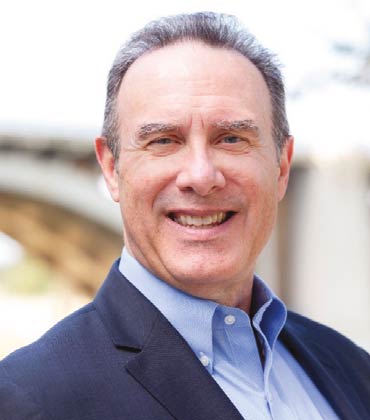
Steve Savell
Steve Savell is an expert professional with a background in software development. He has served in leadership roles within large manufacturing and food companies. At Bush Brothers & Company, he led the Information Service department for 15 years before taking his current role as director of external affairs, governmental affairs, and sustainability. Steve manages the organization’s regulatory and legal group in this multifaceted position while driving impactful sustainability initiatives. His strategic insights and dedication continue to be instrumental in shaping the company’s growth and responsible practices.
In an interview with Food Business Review magazine, Savel shares his insights on the challenges and emerging trends in the food sustainability industry and the experiences he has gathered in the domain. Could you tell us about your journey so far in the industry and the roles and responsibilities in your current position? Until a few years ago, my career has been primarily technology focused. I came up in the software development world, working for large manufacturing and food companies. Later I joined the Bush Brothers & Company and led the information service department for 15 years before I stepped into my current position as director of external affairs, governmental affairs, and sustainability. I manage our organization's regulatory and legal group, and I've been executing it for four years. What are some of the challenges that are prevailing in the food sustainability Space? From a sustainability standpoint, as a food and beverage company, we must be mindful of our products' carbon footprint and how our consumers are using them. We also have to go upstream and rethink how to control it as much as possible in the manufacturing stages. As a food company that takes raw materials from the agricultural world for products, we feel equally responsible for the farms where the raw materials have been grown and understand how it moves through the food service chain. Considering other directions of the product chain, it goes from distribution centers to customers' pantries, and eventually, the package gets disposed of. There are many touch points along the flow chart of products that we are directly and indirectly responsible for. What are the practices within the food and beverages industry that are supporting the sustainability efforts of organizations out there? One of the challenges of a manufacturing organization is to analyze the corporate value and vision to operate in this world. We are a small, 110 plus years of family-owned business operating in rural areas. We are concerned about the people in our communities and natural resources. We operate in a safe, ethical, honest, and transparent manner.We have come across genuine ways to tell about Bush Brothers & Company in a way that we stay true to our core values and maintain the best practices inside and outside of our organization
The articles from these contributors are based on their personal expertise and viewpoints, and do not necessarily reflect the opinions of their employers or affiliated organizations.
