


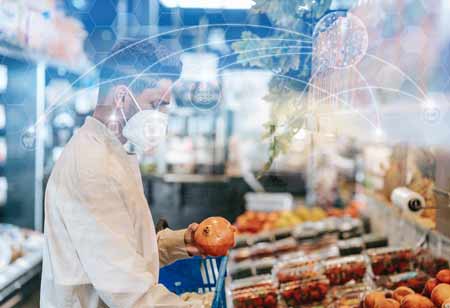
Food brokers enhance supply chain efficiency, cost-effectiveness, and collaboration, playing a crucial role in supporting producers and retailers amid evolving industry dynamics.
In modern food supply chains, various stakeholders play pivotal roles in ensuring the seamless flow of goods from producers to consumers. Among these, food brokers emerge as key facilitators, contributing significantly to the optimization of the supply chain. Their multifaceted role involves connecting producers with retailers, managing negotiations, and providing crucial market insights. Functions of Food Brokers Food brokers act as intermediaries between food producers and retailers, streamlining the complex processes of getting products from farms to store shelves. Market Analysis: Food brokers conduct comprehensive market research to understand consumer trends, preferences, and dynamics. This information aids producers in aligning their offerings with market demands, ensuring a more targeted and efficient supply chain. Negotiation Facilitation: Brokers negotiate on behalf of producers and retailers, leveraging their expertise to secure favorable deals. This involves pricing agreements, promotional strategies, and logistics planning. Effective negotiation contributes to cost efficiency and mutual satisfaction for all parties involved. Relationship Management: Building and maintaining strong relationships is crucial in the food supply chain. Food brokers foster connections between producers and retailers, fostering trust and collaboration. This relationship-centric approach assists in establishing long-term partnerships that contribute to supply chain stability. Benefits of Food Brokers in Supply Chain Optimization The engagement of food brokers brings about several benefits that contribute to the overall optimization of the supply chain. Improved Market Access: Food brokers provide producers valuable insights into market trends and retailer requirements. This knowledge facilitates better product positioning, ensuring that goods are well-received by the target audience, ultimately enhancing market access. Enhanced Flexibility: Supply chain dynamics are subject to rapid changes influenced by various factors such as seasonality and consumer preferences. Food brokers contribute to supply chain flexibility by adapting strategies to these changes, ensuring a more agile and resilient system. Risk Mitigation: The food industry faces inherent risks related to market fluctuations, demand unpredictability, and external factors such as weather events. Food brokers play a vital role in risk mitigation by providing timely market insights and strategic advice, enabling stakeholders to make informed decisions and navigate uncertainties. Impact on the Overall Ecosystem The contributions of food brokers extend beyond individual transactions, influencing the entire food supply chain ecosystem. Promoting Innovation: Food brokers encourage producers to innovate in response to evolving consumer demands by staying abreast of market trends. This drive for innovation fosters a dynamic and adaptive supply chain ecosystem. Strengthening Partnerships: The collaborative nature of the food supply chain relies on strong partnerships between producers, brokers, and retailers. Brokers play a pivotal role in fostering these relationships, contributing to the resilience and sustainability of the entire ecosystem. Facilitating Market Expansion: Food brokers facilitate the entry of new products into the market by connecting producers with retailers willing to embrace innovation. This expansion benefits individual businesses and contributes to the diversification and vibrancy of the overall market. Food brokers are instrumental in optimizing the food supply chain, catalysing improved efficiency, cost-effectiveness, and collaboration. Their multifaceted functions, ranging from market analysis to negotiation facilitation, significantly contribute to the success of producers and retailers alike. As the food industry continues to evolve, the role of food brokers remains pivotal in fostering a resilient, innovative, and interconnected supply chain ecosystem.