
Thank you for Subscribing to Food Business Review Weekly Brief

Verde Farms
Emre Can, Sr. Director of Manufacturing and FSQA
Building Food Safety into Every Operational Decision
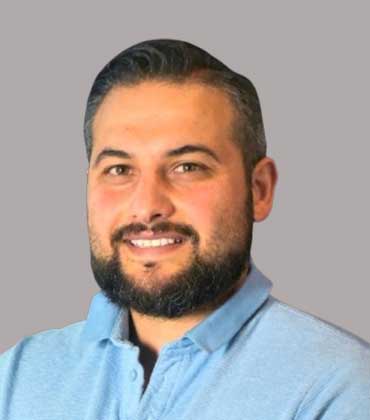
Emre Can
Why Food Safety and Operations Must Work Together
My experience leading both manufacturing operations and FSQA has shaped my approach to food quality and safety leadership in a unique way. Managing both functions has given me a broader perspective on the production floor and helped me understand challenges from both the operational and quality sides of the business. That experience has taught me to approach problem-solving with balance and practicality. Rather than viewing production efficiency and food safety as competing priorities, I see them as closely connected and equally important to long-term success. This multidimensional background has helped me become a more solution-oriented leader who values collaboration, proactive decision-making and building processes that support both operational performance and strong food safety and quality standards. Strong Manufacturing Cultures Start with Accountability One of the most valuable leadership lessons I have learned is the importance of communication and building a strong culture of accountability across all departments. Successfully managing operational efficiency and compliance standards requires teams to understand that food safety and quality are not separate from production goals, but essential parts of overall performance. I have also learned the importance of being proactive rather than reactive by identifying risks early, encouraging collaboration between operations and FSQA teams and making decisions that support both productivity and compliance.Food manufacturers can successfully balance production demands with strong food safety and quality practices only when food safety and quality remain non-negotiable.
The articles from these contributors are based on their personal expertise and viewpoints, and do not necessarily reflect the opinions of their employers or affiliated organizations.
