

Thank you for Subscribing to Food Business Review Weekly Brief

Inn at Perry Cabin
Blake Ruff, Assistant Director of Food and Beverage
Building High-Performing Hospitality Teams
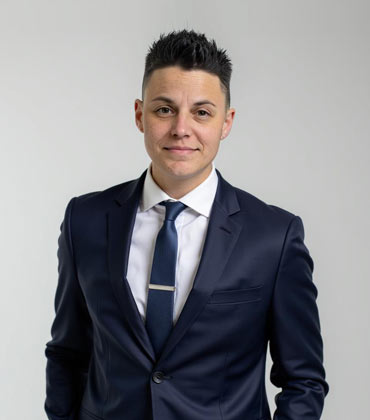
Blake Ruff
From Managing Operations to Inspiring People
Throughout my 18 years in the hospitality industry, I have grown tremendously as a leader. I can humbly admit that in my early 20s, I was a damn good manager. I knew how to run the floor in a large banquet operation, build strong relationships with clients, create incredibly complex schedules in strict union hotels and study BEOs well enough to have Plans A, B and C ready before an event even began. I was always prepared. What I was not, however, was inspirational. The team liked me. I never referred to anyone as ‘my’ servers or ‘my’ housepersons. I treated people with kindness and respect, but I was not motivating them to be something greater than the tasks in front of them. That changed when I worked at a hotel that offered a leadership development program. The instructor opened the series with Simon Sinek’s TED Talk, ‘Start with Why.’ It absolutely blew my mind. I dove headfirst into understanding purpose-driven leadership and the impact it could have on people. During interviews, I often explain leadership growth this way: ‘As we move up, we go from being supervisors who run shifts, to managers who understand how decisions affect an entire department, to directors who think strategically and take ownership for how those decisions impact the entire hotel.’ Eventually, I realized leadership was not about managing operations. It was about inspiring people. I embraced a servant leadership style, which felt like a natural fit because I am a caretaker at heart. Today, I work alongside the team, not just my department, but leaders across the entire property. I try to inspire through positive energy, a clear mission, and a shared purpose. I do not see myself as the leader of the movement; I see myself as its voice. Before large events, I will stand in front of the team and say, loud and proud, ‘We win together, we lose together. Heard?’ Without fail, the room answers back with an enthusiastic, ‘HEARD.’ That response represents the culture built together, a team united around creating memorable, incredible guest experiences. Developing People through Purposeful Leadership The biggest difference between a leader and a manager often comes down to their initial reaction when challenges arise. A leader remains calm, clear and decisive. A manager often looks for reassurance before making a decision. As leaders, we spend our entire days making decisions. Some will be the right ones, and others will not be. The difference is that true leaders take ownership when they make a mistake, learn from it and move forward. Leadership is not about always being right; it is about having the confidence and accountability to keep moving when you are not. One of the most meaningful leadership experiences in my career involved developing a supervisor at a union hotel. Whenever event managers asked who was overseeing their event, and I gave them his name, I was often met with eye rolls or heavy sighs. Instead of accepting that as his reputation, I created an individualized coaching plan based on how he learned and responded best. It took months of one-on-one coaching. We developed detailed checklists to eliminate missed details, preshift templates to create consistent communication and accountability systems to reinforce those habits every day. Eventually, the reaction completely changed. Instead of disappointment, people responded with excitement. Watching that transformation was one of the proudest moments of my career. The lesson I took away is simple: we may all be working toward the same destination, but the path to getting there is not the same for everyone. Great leaders recognize that development has to be individualized. Empowering Teams to Own Their Success Building trust is always the first step. It is simple and applies to every aspect of life: do what you say you are going to do. Follow through. Be present when things get difficult. Guide people through challenges without taking the work away from them. When you consistently show up, you create a culture built on trust and empowerment and with empowerment comes accountability. One of my former general managers used to say, ‘rigor to the standards.’ That phrase has never left me. When your team trusts that you will stand beside them, support them and empower them, they naturally begin to believe in the standards you consistently communicate and reinforce. When someone falls short, accountability does not feel punitive, but expected. In my experience, team members will often admit mistakes before they are even addressed because they know the conversation comes from a place of support, not judgment. The team understands that their leader’s support is not conditional. It is simply always there. Advice for Emerging Leaders Leading the next generation of hospitality professionals requires patience, intentionality and genuine care, but it is absolutely worth the investment. It starts with active listening, genuine interest and empathy. The next generation is not looking to work the 70 or 80 hour weeks many of us ‘old timers’ grew accustomed to. They value work-life balance, and I think that is something leaders should respect rather than resist. When you treat people like human beings instead of revenue executors, they will often give you their very best while they are at work. One phrase I say often is, ‘family first,’ and it is not just something I put on a poster. If you need to be with your family, or even someone you consider family, that is all I need to know. Yes, you can have the time off. Yes, you can leave early to attend your niece’s recital. When leaders consistently apply empathy, fairness and trust, they create an environment where people genuinely want to contribute. Those are the qualities that will inspire and develop the next generation of hospitality leaders.The articles from these contributors are based on their personal expertise and viewpoints, and do not necessarily reflect the opinions of their employers or affiliated organizations.
