
Thank you for Subscribing to Food Business Review Weekly Brief

Jamba
Geoff Herrera, Director, Operations Services
Automation in The QSR World
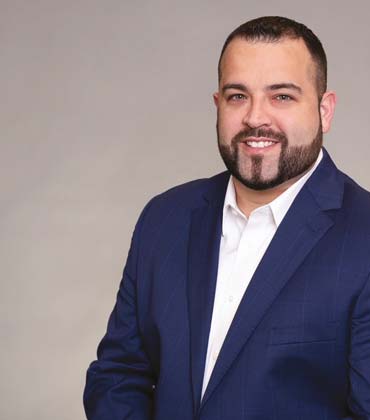
Geoff Herrera
The Argument for Automation
The QSR industry continues to evolve. Processes from as little as five years ago no longer meet requirements. The landscape has changed with cost increases at an accelerated rate that we have not seen in a very long time. Not only variable costs, but fixed costs are also rising beyond predictability. None of this is news to a QSR operator – any one of them can speak to these scenarios. But what is different now? It’s staffing. The labor equation. For many years, finding processes to reduce labor was about the cost of that labor, but the atmosphere is different now. For brands to continue to grow, they need enough employees in the restaurants to meet demand with at least satisfactory service and facility standards. This is the new struggle – finding enough employees to staff for growth. This automation discussion centers around the idea that the intrinsic drive for automation is to enhance the restaurant’s capabilities to meet demands with fewer employees available. Unleashing the Right Team There are many robotics start-ups, consultant groups, and industrial engineers available to tell you what and how to automate your brand. It’s important to remember that no one resource has the right answer, the right team must include a team leader who knows the heart of the brand and understands operations intimately. This means that the automation journey must be led by the brand to find success more reliably. Apart from perhaps the largest global restaurant brands, most brands do not have robotics professionals or industrial engineers on staff. What they do have though, is a brand fanatic somewhere on their operations team. Restaurant excellence, operations excellence, and operations services, these departments have many different naming conventions in the industry – but they all layer up to one consistent capability. The Swiss army knife of the restaurant world. From operations manuals to SOPs to programs to training – these operations specialists have a unique perspective of their brands that I believe makes them the most effective automation leaders. They won’t know any of the automation capabilities from the start, but they will know what processes make the most sense to become automated. They can apply critical thinking to a production line and all the processes therein to know where the automation journey should begin. This department is where you should look to find the leader of the right team as you embark on your automation journey. Finding An Automation Partner Almost every brand will need a partner to bring missing skill sets to the table, but where do you find a robotics partner? If you don’t have any existing relationships to leverage, start by attending some of the top restaurant trade shows. The NAFEM show in February 2023 showcased far more automation and robotic technology than I was expecting. I project that the NRA show in Chicago will have just as many automation resources, if not more. Our industry is ripe for this type of investment, and the vendors are taking notice. It is unlikely that you will find a single robotics partner that has all of the capabilities you need, so keep your options open and be bold in your conversations. It is far more likely that you will find several partners, each of whom does something well, to complete your automated process.The robotics teams will be able to pick apart your vision and tie pieces of it to their current capabilities
The articles from these contributors are based on their personal expertise and viewpoints, and do not necessarily reflect the opinions of their employers or affiliated organizations.
