
Thank you for Subscribing to Food Business Review Weekly Brief

AYANA MidPlaza Jakarta
Astri R K Wardani, Food and Beverage Manager
Modernizing F&B Leadership: Building High-Performing Teams in Today’s Hospitality Market

Astri R K Wardani
Flavor Fades, Feeling Remains
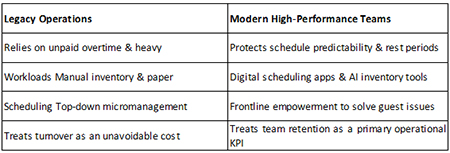
The food and beverage industry faces a fundamental structural shift. Across hotel operations, the legacy model, relying on high burnout, long hours and rigid hierarchies has hit a wall. Gen Z now makes up a growing share of the F&B workforce, bringing different expectations for flexibility, mental health and career development. In this landscape, building a high-performing team is no longer about enforcing discipline; it is about modernizing workforce management. High-performing luxury teams operate as collaborative units built on psychological safety, tech integration and clear retention paths. 1. Hire for Adaptability, Lead with Purpose Technical hospitality skills from wine knowledge to POS speed can be taught through structured onboarding. Adaptability, emotional intelligence (EQ) and stress tolerance cannot. Younger hospitality professionals leave organizations that rely on authoritarian management. High-performing F&B outlets retain talent by connecting daily service tasks to operational purpose and personal growth. • Modern Vetting: Evaluate candidates on how they handle real-time service disruptions, collaborate under pressure and receive feedback. • Purpose-Driven Onboarding: Replace dry policy manuals with clear career roadmaps, showing new hires how floor experience builds leadership credentials.Guests may forget exact menu descriptions over time, but they will always remember how a service team made them feel.
 Daily Actionable Blueprint
To improve team performance and retention immediately, implement three practical steps:
1. Run 7-Minute Focused Pre-Shifts: Ditch long, dry meetings. Focus pre-shift briefings on one service standard, one menu update and one positive team shout-out.
2. Give Floor Staff Instant Empowerment: Allow frontline team members to resolve minor guest complaints (up to a set limit) without manager approval, speeding up service recovery.
3. Provide Predictable Schedules: Publish schedules two weeks in advance using modern workforce tools, respecting personal time and reducing burnout.
High-performing F&B teams are built through deliberate operational culture. When hospitality leaders focus on structured support, functional cross-training and modern tools, service execution naturally elevates.
The Guest Experience Starts Behind the Scenes
As Food and Beverage Managers, our daily reality is a high-wire balancing act. Between managing labor costs, reviewing daily P&Ls and ensuring smooth service recovery during a busy Friday night, it’s easy to get consumed by numbers. But if years on the floor have taught me anything, it’s this: seamless operational execution means nothing if the guest leaves without an emotional connection to your venue.
The modern guest standard has shifted dramatically. Great food and polished table settings are no longer differentiators—they are baseline expectations. To stand out today, F&B operations must evolve from transactional dining to experience-driven hospitality.
1. Eliminate Friction with Invisible Technology
Nothing ruins an exceptional multi-course dinner faster than a guest waiting fifteen minutes just to catch a server's eye for the check. Today’s diners expect control over their pace.
In luxury and high-volume operations alike, technology shouldn't replace human warmth; it should handle operational mechanics. Deploying smooth digital ordering, frictionless payment solutions and PMS-integrated preference tracking frees up our service staff to do what they do best: engage.
• Anticipatory Service: Leverage guest history to quietly anticipate needs—whether remembering a preferred corner booth, tracking dietary preferences or acknowledging a personal milestone before they even ask.
• Frictionless Closing: Give guests seamless settlement options so their final memory of your outlet isn't operational delay.
2. Personalization & Mindful Dining Programs
Static, rigid menus are becoming relics of the past. Modern guests expect curated flexibility tailored to their lifestyle, health choices and values.
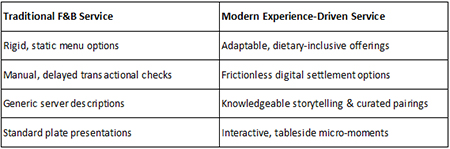 Elevating the guest experience requires viewing dietary accommodations as creative opportunities rather than operational burdens:
• Elevated No/Low-ABV Cocktails: Sophisticated, house-crafted zero-proof beverages using fresh botanicals and shrubs are now mandatory for a complete beverage program.
• Menu Storytelling: Highlight local farm partnerships and ingredient provenance directly within server recommendations to add genuine depth to the meal.
3. Curate Micro-Moments of Theatre on the Floor
Guests may forget exact menu descriptions over time, but they will always remember how a service team made them feel.
Small, intentional touchpoints transform a standard meal into a memorable story:
• Tableside Engagement: Introduce subtle interactive elements—a finishing pour, tableside carving or an aromatic infusion to build visual excitement.
• Empowered "Surprise and Delight": Give floor staff a modest daily allowance to offer an unprompted amuse-bouche or a custom dessert pairing. These small, genuine gestures build immediate guest loyalty.
The Operations Checklist
To elevate your guest satisfaction scores (GSS) and drive repeat covers starting this week:
1. Audit the Friction: Walk your outlet through the eyes of a guest. Fix the operational bottlenecks where service lags, especially during check-out and initial greeting.
2. Turn Servers into Curators: Shift pre-shift briefings away from dry policy reminders toward tasting sessions, ingredient stories and flavor pairings.
3. Empower Immediate Service Recovery: Grant frontline staff authority to resolve minor guest complaints instantly on the floor without waiting for managerial sign-off.
Unforgettable guest experiences are never accidental. They are engineered through disciplined operations, empowered teams and genuine empathy. When we align floor execution with modern guest expectations, one-time diners become lifelong brand advocates.
The articles from these contributors are based on their personal expertise and viewpoints, and do not necessarily reflect the opinions of their employers or affiliated organizations.
