

Thank you for Subscribing to Food Business Review Weekly Brief


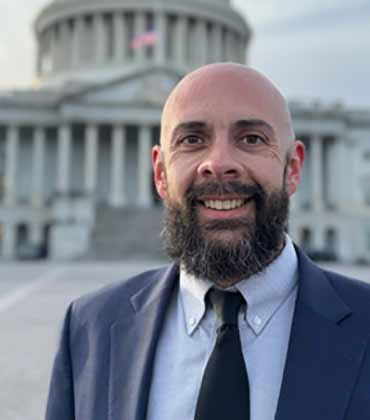 Chris Fontes, Founder and CEO
The hemp-derived beverage category expanded rapidly as consumers began looking for alternatives aligned with changing wellness habits and social experiences. High Spirits Beverages entered the market early, launching one of the first hemp-derived Delta-9 THC beverages while focusing on product transparency, clean ingredients and consistent dosing at a time when the category was still largely untested.
“We wanted to be more than a seltzer, but less than a soda,” says Chris Fontes, founder and CEO. “We didn’t want to create a drink with high sugar and pure syrup, but it also needed to be more than water with a memory of oranges from long ago.”
That balance became central to the company’s identity. High Spirits built its formulations around all natural hemp-derived THC, transparent labeling and products tested for consistency. The company viewed those decisions as necessary for establishing consumer confidence in a highly scrutinized market segment.
Its brand positioning also reflects a broader audience than the younger sober-curious demographic commonly associated with THC beverages. High Spirits developed products with THC doses ranging from 1.5 mg to 50 mg, allowing consumers with different preferences and lifestyles to engage with the category at their own comfort level.
Building Products around Familiar Experiences
The company’s product development process combines formulation strategy with a deliberate emotional connection to familiar flavors and experiences. High Spirits draws heavily from the nostalgia associated with the 1980s and 1990s, particularly among Xennial consumers who make up a significant part of its customer base.
Flavors such as cherry limeade, iced tea lemonade and grape were designed to evoke drinks many consumers grew up with while adapting them for adult tastes and modern wellness expectations. The company believes familiarity plays an important role in helping consumers approach a category that still feels unfamiliar to many buyers.
High Spirits also invested heavily in product quality during its earliest stages. When the company launched in 2020, it partnered with James Beard-nominated chef Jordan Wagman to help formulate its beverages. The objective was to avoid heavily sweetened sodas while creating drinks with more character and flavor depth than traditional sparkling waters.
-
We wanted to be more than a seltzer, but less than a soda. We didn’t want to create a drink with high sugar and pure syrup, but it also needed to be more than water with a memory of oranges from long ago.
That focus on taste, transparency and ingredient quality became increasingly important as the THC beverage segment evolved into a multibillion-dollar market. Consumers now expect products that balance flavor, functionality and ingredient awareness while fitting into different lifestyle choices. High Spirits positioned itself around flexibility rather than targeting a single customer profile.
Navigating Industry Change through Partnership
High Spirit Beverages’s approach to retail and distribution was tested in Florida, where changing interpretations of policies issued by the Florida Department of Agriculture and Consumer Services created uncertainty for hemp beverage brands and distributors.
When policy interpretations shifted, High Spirits quickly reformulated products to remain compliant with updated regulations. The company also worked directly with distribution partners to retrieve inventory that could no longer be sold in Florida and moved the products into markets where they remained compliant.
The process required logistical coordination and financial commitment from multiple sides. Distribution partners handled retail collection, warehousing and repalletizing, while High Spirits absorbed the cost of shipping inventory between markets. The company viewed the situation as a shared responsibility rather than placing the burden solely on distributors or retailers.
That philosophy continues to shape how High Spirits approaches the broader hemp beverage industry as regulatory pressure increases nationwide. The company remains active in advocacy efforts surrounding proposed hemp restrictions and believes regulation should strengthen product accountability rather than eliminate the category altogether.
Company :
High Spirits Beverages
Management Chris Fontes, Founder and CEO
Description
High Spirits Beverages produces hemp-derived Delta-9 THC drinks focused on clean ingredients, transparent labeling and consistent dosing. The company serves consumers seeking wellness-oriented beverage alternatives through nostalgic flavor profiles, flexible dosage options and products designed for modern lifestyle preferences.
