

Thank you for Subscribing to Food Business Review Weekly Brief
PT Aneka Sarivita, a leading figure in the alternative protein industry, offers cost-effective plant-based protein tailored to the dietary needs of mid-low-income families in Indonesia. The company is dedicated to fulfilling the nutritional demands by presenting affordable vegetable protein choices. PT Aneka Sarivita’s journey commenced when Herman Moeliana, the firm’s founder and chairman, identified a substantial international trend—the emergence of high-protein texturized vegetable protein (TVP) and texturized soy protein (TSP), which offers a promising meat substitute. His vision to provide the people of Indonesia with affordable and accessible nutrition led to the establishment of alternative protein production facilities. However, the taste profile of soya TVP had a distinct “beany” flavor that did not resonate with the local market. PT Aneka Sarivita accordingly redirected its marketing efforts to smaller catering enterprises, like food processors, catering companies, and health clubs. The firm believed that TVP could serve as an economical and nutritionally sound substitute for conventional animal protein sources, such as beef, poultry, and seafood. Subsequently, the TVP market began to gain traction, and the company garnered industry recognition, piquing the interest of businesses seeking to elevate their products’ nutritional content. This marked PT Aneka Sarivita’s entry into the industrial sector, where it currently distributes more than half of its products while maintaining a presence in the small retailer market. The company ventured into the alternative protein industry by introducing cost-effective TVP-based products like Proteina, Proteina Plus, and Protemil. Its product offerings are divided into three main categories—industrial, HORECA, and retail. Proteina stands out as a pioneer in the meat substitute category with it

Plant Based Protein Company
Breakfast is the most important meal of the day. However, its significance can be contingent upon individual lifestyles and choices. In our fast-paced modern world, most meals are often relegated to a hurried or skipped affair, highlighting the need for alternative nutrition. Incorporating essential supplements into our daily diet can go a long way in promoting better nutrition and overall health. Enter Yeppoonie Smoothie. It is not just another protein powder, but a nutritional powerhouse designed to tackle the mealtime conundrum headon. Unlike many meal replacement powders focusing solely on protein, it provides a well-rounded blend of macronutrients, including protein, fiber, and healthy fats. The emphasis on fiber is particularly significant, as inadequate intake is a common issue that needs to be addressed. “With Yeppoonie Smoothie, people can enjoy the convenience of a quick and nutritious meal without compromising quality. It’s a product crafted with care, addressing the pressing need for healthier meal alternatives in fast-paced lives,” says Jacinta Plazzer, founder and owner. The goal is to reduce unhealthy eating patterns, where individuals either remain overly hungry by mid-morning or lunchtime or opt for convenient but less healthy options like fast food or processed snacks.

Giardiniera and Peppers Manufacturer

For over a century, V. Formusa Co. has brought authentic Italian flavors to American tables through its Marconi brand family of food products. Combining culinary expertise with family tradition, the company continues its four-generation legacy of providing the highest quality and service to its customers. Founded by Vincent Formusa, V. Formusa Co. produces specialty Italian products, which include its signature Chicago-style Giardiniera, gourmet pepper blends, pasta sauces, salad dressings and vinegars, alongside premium imported tomatoes from Italy. Each Marconi product is designed to enhance meals for households and restaurants while delivering consistent, high-quality offerings to retailers nationwide. “What my family and I have accomplished in the past 25 years makes us proud, but 127 years of history makes it even more meaningful,” says Jeff Johnson, president and 4th generation Formusa. V. Formusa Co.is led by a closely connected, multi-generational team. Jeff works alongside his parents, Bob and Sue Johnson and his sister, Joey Schramm, who oversees operations. Together, they bring hands-on experience and a shared passion that drives the company’s growth by fostering innovation and expanding its range of specialty Italian products. Building Client Loyalty through Transparency and Expertise Bold pepper blends, Italian-style salads and other specialty recipes give customers a reason to reach for the Marconi jar beyond price. Its flagship Chicago-style Giardiniera has grown from a Chicago favorite to a nationwide staple over the past two decades. V. Formusa Co. serves major national retailers, independent grocers and family-owned delis. Marconi products are found on shelves nationwide. No matter where it’s sold, customers can expect the same consistent quality and flavor in every jar. Bringing a jar to the shelf is a complex process. Crop performance, supplier deliveries and packaging affect timing and price. V. Formusa Co. overcomes these hurdles through careful planning, proactive problem-solving and clear communication with clients about pricing and lead times. A transparent approach reassures customers that any price adjustments reflect efforts to maintain consistent quality and the value the Marconi name represents.
CXO INSIGHTS

Human Aspects in Root Cause Analysis that Technology Cannot Replace
Kshitij Godbole, Vice President Quality & Regulatory Affairs, Suntory Beverage & Food Asia Pacific [TYO: 2587]

Embracing the East: How Asian Flavors Revolutionized Italian and European Cuisine
Patrick Vigini, Multi-Outlet F&B Manager (Assistant F&B Manager), Hotel Mulia Senayan

Innovating in and out of South Korea with K-Foods
Florian Viton, Senior Vice President, Global Head of Strategic Innovation, CJ CheilJedang
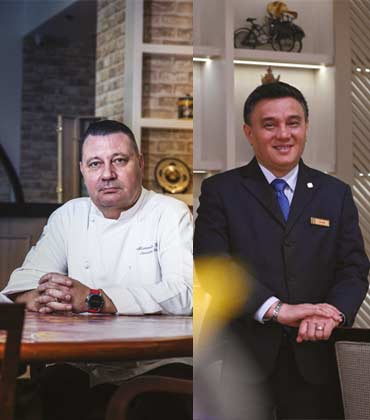
Shaping The Food And Beverage Sector
Alexander Kral, Executive Chef, Ignatius A. Anugraham, Food and Beverage Director, Hotel Borobudur Jakarta
Food Sustainability 101: Safety and Security
Dr. Adeniyi Odugbemi, Phd, Global Director, Quality And Food Safety, ADM


IN FOCUS

How APACs Food & Beverage Leaders Are Shaping the Future of Global Dining
The Asia-Pacific region is reshaping global dining through culinary innovation, health trends, plant-based alternatives, urbanization-driven convenience, and digital integration, influencing international tastes and preferences.

Reshaping the Gourmet Supply Chain: Innovations Driving APACs Premium Food Sector
The APAC gourmet food market is evolving with rising incomes, demand for premium products, and aLavanya Perumal focus on sustainability, automation, and craftsmanship, shaping a balanced and innovative future in the industry.
EDITORIAL
Shaping The Future Of The F&B Industry In Apac
In an era marked by rapid technological advancements and shifting consumer preferences, businesses in the APAC food and beverages (F&B) landscape are embracing digital transformation to stay competitive. Acting as the bridge between manufacturers, distributors, and retailers, these intermediaries have become crucial to the growth of the industry.
From a technology standpoint, companies now rely on advanced data analytics and AI-driven insights to understand consumer behavior, market trends, and demand patterns. By harnessing big data and predictive analytics, they help businesses make informed decisions regarding product selection, pricing, and distribution strategies. At the same time, smart supply chain technologies are enhancing efficiency, while blockchain solutions are strengthening transparency and enabling end-to-end product traceability and authenticity.
Another key trend in the APAC F&B landscape is the increasing adoption of collaborative platforms and cloud-based ecosystems that streamline communication and information sharing among all stakeholders, creating a more connected and agile supply chain. In addition, sustainability has become a core focus, with companies promoting eco-friendly packaging, ethical sourcing, and partnerships with environmentally conscious brands. This not only fulfills corporate social responsibility but also aligns with the expectations of today’s health-conscious and socially aware consumers.
Emerging growth areas are shaping the future of the APAC F&B market, with categories such as food processing solutions, plant-based protein companies, and nutritious smoothie powder producers gaining prominence. These innovations cater to evolving consumer lifestyles, where convenience, health, and sustainability play a decisive role in purchase decisions.
This edition of Food Business Review APAC showcases some of the prominent players in the region and explores the value they bring to their clients. It also features thought leadership articles from Antoni Simamora, Environment & Sustainability Manager, First Resources [SGX: EB5], who sheds light on emerging trends, innovative solutions, and best practices across the food industry spectrum. It further includes insights from Aldo Volpi, Culinary Director, Ismaya Group, who discusses how an emerging dairy ingredient can help F&B businesses save costs and bypass complex formulation challenges.
The magazine also spotlights a results-driven and dynamic F&B company that helps businesses engage with modern consumers and succeed in an ever-evolving marketplace.
