
Thank you for Subscribing to Food Business Review Weekly Brief

Mondelz International
Michael Weber, Senior Director Sustainability, Climate & Environment, Global Sustainability
Driving Sustainability with Systems Thinking and Collaboration
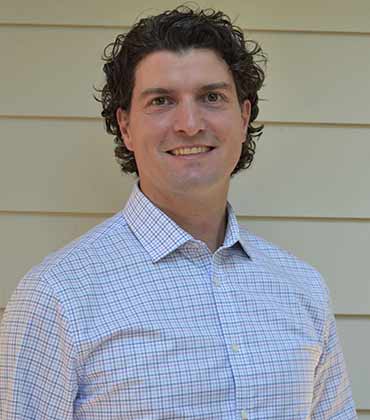
Michael Weber
Michael Weber has spent over two decades at Mondelēz International building expertise across Research, Engineering, Business Development, and Mergers and Acquisitions. Today, he leads Global Strategy on Climate, Environment, and Nature. His career reflects a rare end-to-end understanding of how products, supply chains, and sustainability must align to drive meaningful change for both business and society.
From R&D to Global Sustainability Leadership I have been with Mondelēz International for about 23 years, and my journey has been anything but linear. I began in Research and Development (R&D), working in process and product development. Later, I moved into Engineering, where I gained experience in designing machinery and implementing projects on both regional and global scales. This was where I first started to connect technology with sustainability by looking for ways technical execution could support broader environmental goals. My path then took me into Business Development, which bridged technical expertise and commercial strategy. Leading Engineering and Business Development across product categories gave me valuable insights, but I also had the opportunity to explore Mergers and Acquisitions (M&A). In that role, I assessed companies’ supply chains end-to-end, including their sustainability capabilities, and gained a wider perspective on how sustainability is integrated. Eventually, I transitioned fully into Sustainability. Today, I am responsible for building Mondelēz International’s roadmap on climate, environment, and nature. The varied experiences from R&D through Business Development and M&A provide me with a holistic lens. I can see sustainability not just as a set of environmental goals but as an interconnected system that touches product design, manufacturing, supply chains, and business growth. Aligning Global Strategy with Local Action When it comes to leadership style, I believe the key lies in balancing global frameworks with local realities. At Mondelēz, our approach starts by listening to stakeholders, both internal and external. From there, we define focus areas and build roadmaps that can be owned and executed at global, regional, or local levels depending on what makes the most sense. I believe it is not about top-down directives, but about creating systems that are flexible, data-driven, and better aligned with the organization’s operational realities. Scaling Solutions in Agriculture and Collaboration Within Fast Moving Consumer Goods (FMCG) and Consumer Packaged Goods (CPG), the biggest opportunities for accelerating climate and nature goals come from scaling Regenerative Agriculture and expanding Landscape Interventions. Like many in our sector, Mondelēz’s Scope 3 Carbon Footprint is mostly influenced by ingredients and agricultural commodities. Regenerative Practices are therefore important to help reduce emissions and improve resilience. Standards are still evolving, which brings additional challenges, but scaling these practices is key to continuing to make progress. Beyond agriculture, I see Landscape-Level Approaches as key. These combine environmental and social priorities— whether biodiversity, human rights, or community well-being— into a single framework. I believe the intersection of nature and people cannot be separated if we aim to help create long-term systemic change.Sustainability is not something we can deliver in isolation. It needs clear systems, strong data, and above all, collaboration across industries to scale meaningful change.
The articles from these contributors are based on their personal expertise and viewpoints, and do not necessarily reflect the opinions of their employers or affiliated organizations.
