
Food Business Review

Wine Importer and Distributor

Wine Importers and Distributors source, import, market, and supply domestic and international wines to retailers, restaurants, hotels, and hospitality businesses. These companies manage logistics, compliance, storage, and wholesale distribution while helping wineries expand market reach and providing consumers and foodservice operators access to diverse wine portfolios and premium beverage selections.

The Wine Source, Inc.: Authenticity, Bottled and Delivered
The Wine Source, Inc.
The Wine Source, Inc.: Authenticity, Bottled and Delivered
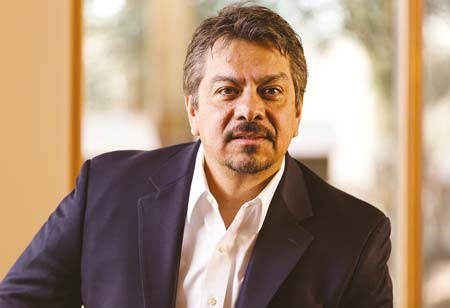
Guy Azera, President
In today’s wine market, shelf presence and supplier scale often dominate. But for food and beverage leaders looking to deliver meaningfully curated wine programs where quality, origin and value align there is a different kind of partner.

That partner is The Wine Source, Inc.

Founded over 45 years ago by Guy Azera, The Wine Source, Inc. is a U.S. importer and distributor specializing in estate-bottled wines sourced almost entirely from France. With over 1,200 wines across all major appellations, styles, and price points, the company offers something rare in today’s distribution landscape: depth, precision, and strategic flexibility.

“We’re not pushing volume. We’re aligning the right wine with the right business application,” says Azera. Our portfolio is designed to perform for a range of operational models, from national chains to independent concepts.

What Sets The Wine Source, Inc. Apart?

1. Portfolio Depth that Drives Differentiation

Rather than focus on high-volume labels, The Wine Source, Inc. curates wines that represent a broad spectrum of regions and classifications. Bordeaux, Burgundy, Rh´ne, Loire, Alsace, Champagne, and more, all are represented through independent producers whose wines offer both authenticity and reliability. This range allows beverage teams to build distinctive wine lists that reflect their brand identity and support their pricing strategy.

2. Strategic Consulting, Not Commodity Sales

The Wine Source, Inc. operates as an extension of the beverage team. Whether designing a regional rollout, developing a French section from scratch, or sourcing hard-to-find SKUs for flagship properties, the company consults with clients to understand objectives, then delivers curated solutions. This isn’t opportunistic selling; its program building, done with discipline and data.

The Pivotal Role of Importers and Distributors in Navigating the Global Wine Trade

The global wine industry, valued in the hundreds of billions of dollars, is a complex and ever-evolving ecosystem. At the heart of this industry are wine importers and distributors, whose crucial role cannot be overstated. These intermediaries bridge the gap between wine producers across diverse regions and consumers in various markets, navigating a landscape shaped by changing consumer preferences, technological advancements, and a growing emphasis on sustainable practices.

Market Dynamics and Consumer Trends

The global wine market remains robust, with projections indicating steady growth over the coming years. Consumer trends significantly influence this growth. While there has been a historical decline in global vineyard surface area and a recent dip in overall wine production due to extreme climatic conditions, the international wine trade remains strong, driven by consistent export values. Consumers are becoming increasingly discerning, resulting in a noticeable shift toward premium wines. This 'premiumization' trend sees consumers willing to invest more in higher-quality products, valuing authenticity, origin, and unique experiences over mere quantity.

Beyond premiumization, a significant trend is the increasing consumer demand for organic and biodynamic wines. This reflects a broader societal push towards health consciousness and environmental responsibility. Wines produced with minimal synthetic chemicals and pesticides, or those adhering to holistic biodynamic farming principles, are gaining substantial traction, particularly in established markets. Furthermore, the burgeoning interest in low-alcohol and no-alcohol wine alternatives is reshaping consumption patterns, catering to evolving lifestyles and wellness trends.

Geographically, established wine-consuming regions in Europe and North America remain significant, but the real excitement lies in the emerging markets in Asia and Latin America. These markets are presenting substantial growth opportunities, with countries such as China, India, and Brazil experiencing rising disposable incomes and an expanding middle class, which is fueling increased demand for wine. India, in particular, is poised for robust growth, driven by a young and curious consumer base, as well as a burgeoning e-commerce sector for alcoholic beverages.

The Evolving Role of Importers and Distributors

Wine importers and distributors are the backbone of the global wine trade, responsible for a multifaceted array of operations. Their core function involves sourcing wines from diverse producers worldwide, managing complex logistics, and ensuring that these wines reach retailers, restaurants, and ultimately, the end consumer.

In the current environment, the role of these entities extends far beyond simple transportation. They are increasingly involved in market analysis, identifying consumer trends, and providing valuable insights to producers regarding market demand and product development. Strategic partnerships between producers and distributors are not only beneficial but also becoming increasingly critical. These partnerships foster long-term relationships built on mutual understanding and shared goals. Distributors often act as brand ambassadors, educating retailers and consumers about the wines they represent and crafting compelling marketing narratives that highlight the unique qualities of these wines.

The distribution landscape itself is transforming. While traditional on-trade channels (restaurants, bars) and off-trade channels (retail stores) remain vital, the rise of online wine sales has been a significant development, further accelerated by recent global events. E-commerce platforms are no longer just transactional spaces; they are evolving into hubs for discovery, education, and personalized recommendations, offering a broader range of products and increased convenience to consumers. This necessitates that importers and distributors develop robust digital strategies, including efficient e-commerce integration and effective online marketing.

Technological Advancements and Their Impact

Technology is rapidly reshaping the wine import and distribution industry, providing new avenues for increased efficiency, enhanced traceability, and improved consumer engagement.

In the vineyard, Artificial Intelligence (AI) and smart agriculture are optimizing grape-growing conditions by analyzing vast datasets from sensors. This data-driven approach enables precise irrigation, nutrient management, and disease prevention, resulting in enhanced yields and more sustainable practices. While vineyard-level adoption of some advanced technologies remains relatively low due to capital costs, the potential for significant impact is undeniable.

Within the supply chain, AI is being leveraged to tame the "bullwhip effect," where small fluctuations in consumer demand can lead to significant inventory issues upstream. AI-powered forecasting tools, which consider factors like weather, holidays, and economic indicators, are helping to optimize inventory management, reduce waste, and ensure timely product delivery. This is particularly crucial for a product like wine, with its seasonal and regional demand variations.

Furthermore, digital marketing and direct-to-consumer (D2C) sales are benefiting from technological advancements. Customer Relationship Management (CRM) systems and AI-driven content tools allow for personalized outreach, strengthening consumer connections and reducing reliance on traditional distribution channels. Virtual tastings and interactive storytelling are redefining how brands connect with consumers, creating memorable experiences that extend beyond the physical retail space.

Sustainability as a Core Principle

Sustainability has transitioned from a niche concern to a central tenet of the wine industry, influencing decisions across the entire value chain, including import and distribution. Consumers are increasingly favoring brands with strong ecological credentials, driving a demand for transparency and environmentally responsible practices.

For importers and distributors, this translates into a growing focus on sourcing wines from producers who prioritize sustainability. This includes vineyards that minimize chemical use, conserve water and energy, protect biodiversity, and manage waste responsibly. Certification programs, such as organic, biodynamic, and various regional sustainability labels, assure importers and consumers alike regarding a wine's environmental and social responsibility. Beyond the vineyard, sustainability considerations extend to the entire distribution process. Importers are exploring ways to reduce their carbon footprint, including optimizing logistics to minimize transportation emissions. This might involve prioritizing local sourcing where feasible or investing in more fuel-efficient transportation methods. Sustainable packaging solutions, such as lighter glass bottles or biodegradable materials, are also gaining traction, aiming to reduce the environmental impact of wine delivery.

The commitment to sustainability also encompasses social responsibility, with importers increasingly engaging in fair labor practices and supporting local communities within the wine-producing regions. This holistic approach to sustainability is not only an ethical imperative but also a strategic advantage in a market where discerning consumers value the entire story behind a bottle of wine.

The wine import and distribution industry is continuously evolving to meet changing consumer preferences, adopt technological advancements, and embed sustainability across its operations. Key players in this space play a vital role in bridging the world’s diverse wine regions with global markets, shaping the future of an industry that seamlessly blends tradition with modern innovation.

The Digital Age of Food Safety and Quality
the Wendy’s Company [NASDAQ : WEN]
The Digital Age of Food Safety and Quality
Jorge Hernandez, Quality Assurance VP

Before we jump in and talk more about the food and beverage tech space, can you talk to me a little bit about yourself and your journey in the F&B sector?

Academically, my background is in microbiology, chemistry and languages; and professionally, I have worked in different roles in the food safety industry. I started as a regulator in the Health Department and then worked for the Educational Foundation of National Restaurant Association and one of the largest food distributors in the U.S. My role throughout has been to ensure food safety and quality. Eventually, I joined Wendy's as the VP of quality assurance. I'm now in charge of ensuring that the products our customers purchase meet our food safety and quality standards —all the way from the farm, throughout the supply chain, and to all of our restaurants around the globe.

From your experience, how would you say that the food and beverage industry has evolved through the years? What would you say are some of the challenges you see in this space and the trends driving those challenges?

The food industry continues to evolve all the time. However, the pace of evolution seems to have accelerated over the last 20 years. There are a lot of advanced technology tools available in the market, which has sped up the evolution exponentially. For the F&B industry to stay relevant and stay on top of emerging technologies, we need to make sure that we keep those things in mind as we develop and evolve food safety and quality programs along with new processes, tools and systems.

A use case would be how we use blockchain technology at Wendy's to increase the traceability of applewood smoked bacon. Another example I can give you that we're very excited about is our technology portal, where we actually track data from different parts of a product's journey through the supply chain, from the supplier to the consumer. We use this data to make better business decisions, including safety and quality. We are also running a pilot project with TeamViewer, an AR/VR technology company that uses Google glasses. This technology gives us remote access at food safety and quality practices in the field, at manufacturing plants, and distribution centers. And truth be told, this is just scratching the surface of how technology can help the F&B sector.

[QUOTE1_Replace]

We need to understand that the F&B space has continued to be flexible enough to adapt cutting-edge technology to solve its inherent problems. Some segments are very willing and able to adapt to the use of data to become trendsetters and be more proactive in predicting issues before they happen. However, some players in the F&B industry are still very early in their journey, and they're falling a little bit behind in taking advantage of the innovative technologies available to us.

An example in the F&B is virtual, or ghost kitchens, a business model that can be defined as a restaurant, or several restaurants, preparing food in a common area with no dining room and only for consumption off the premises. This model is highly efficient, as space, equipment and, often ingredients and people are shared, and it grew significantly during the pandemic. Ghost kitchens take advantage of remote ordering, back-of[1]house platforms to store and prepare the food efficiently, delivery technologies and data-driven marketing and merchandising. These businesses have been flourishing in a number of locations, but in others have met with regulatory challenges. When it comes to food safety, one of the things that we have learned is it's im I believe that regulatory bodies should consider updating regulatory interpretations to provide the flexibility needed align with the use of technology and these up-and-coming business models.

What are some of the technologies that are being used in the current F&B space?

One of the prime concerns in the F&B industry is the lack of visibility in different growing and production processes. As a result, different types of sensors, data collection tools, and traceability technology-driven solutions are on everyone's mind. We are also seeing the development of many advanced algorithms that can use the data provided by the tools and help drive enterprise level decisions on safety, quality, consistency, waste, cost and many other important business parameters. That being said, the potential of a technological revolution in the F&B sector is imminent as every piece of modern technology can be used in some context or the other — to improve the overall workflow of the F&B arena.

Finally, what would be your piece of advice to the budding CXOs in the space?

When undertaking a digital transformation project, be patient and take the time to explain the basics to your teammates. Also, make sure to take the time and ensure that your teammates understand the different risks associated with the products they are working on, especially if they are working in a collaborative setting. So they need to have the proper controls in the right breakout points to maintain the safety and the quality of the F&B products in bulk. Only then can we ensure a safer future for generations to come.

Wine Importer and Distributor FAQ

Q1
What Do Top Wine Importers and Distributors Do?
Top Wine Importers and Distributors source, transport, market and distribute wines from domestic and international producers to restaurants, retailers, hospitality groups and beverage buyers. Many companies specialize in connecting wineries with regional or national markets while managing logistics, storage and regulatory compliance. Wine importers and distributors often work directly with vineyards, négociants and estate producers to build portfolios that reflect consumer demand, pricing goals and regional wine preferences. The category plays an important role in helping hospitality businesses maintain consistent wine programs and access products that may not be available through large commercial suppliers.
Q2
What Services Are Included in Wine Importing and Distribution?
The services provided by Top Wine Importers and Distributors typically include international sourcing, customs coordination, warehousing, compliance management and multi-state distribution support. Many companies also assist with wine list development, private-label coordination, portfolio curation and market-entry planning for wineries entering new regions. Temperature-controlled storage, inventory management and restaurant-focused distribution services are especially important for preserving wine quality during transportation and handling. Some wine importers and distributors focus on boutique producers, estate wines or region-specific portfolios that support differentiated hospitality and retail programs.
Q3
Why Is Demand Growing for Wine Importing and Distribution Services?
Demand for services from Top Wine Importers and Distributors continues to grow as restaurants, retailers and consumers seek broader wine selections and more specialized regional offerings. Interest in boutique vineyards, small-estate wines and premium imported labels has expanded beyond traditional luxury dining into mainstream retail and hospitality markets. Wine buyers increasingly value curated portfolios that offer authenticity, traceability and distinctive regional character. Growth in wine tourism, wine education and direct-to-consumer interest has also increased awareness of international wine regions and varietals. Importers and distributors capable of managing regulatory complexity and reliable supply chains are becoming more important as beverage programs diversify.
Q4
How Are Top Wine Importers and Distributors Evaluated?
Buyers assessing Top Wine Importers and Distributors often consider portfolio quality, sourcing relationships, storage practices and delivery reliability. Strong industry relationships can influence access to limited allocations, estate-produced wines and region-specific products. Restaurants and retailers may also evaluate pricing consistency, account support and the distributor’s ability to provide education, tasting guidance and product recommendations. Compliance expertise is another important factor because alcohol distribution involves strict federal and state regulations. Many hospitality buyers also value distributors that maintain temperature-controlled logistics and transparent sourcing practices to protect wine integrity throughout distribution.
Q5
What Value Do Wine Importers and Distributors Provide to Hospitality and Retail Businesses?
Top Wine Importers and Distributors help hospitality and retail businesses simplify sourcing while improving access to international wine selections. Reliable import and distribution partners can reduce procurement complexity, improve inventory planning and support consistent customer experiences across locations. Curated wine portfolios also help restaurants and retailers differentiate their beverage offerings in competitive markets. Wine importers and distributors often provide expertise in regional wine trends, pricing strategy and product positioning, helping businesses align wine selections with customer preferences and menu concepts. Efficient logistics and dependable inventory availability are especially valuable for multi-location hospitality operators and high-volume beverage programs.
Q6
How Are Innovation and Technology Influencing Wine Importing and Distribution?
Innovation among Top Wine Importers and Distributors increasingly focuses on supply chain visibility, inventory management and portfolio analytics. Digital ordering systems, warehouse automation and temperature-monitoring technologies are helping distributors improve product handling and operational efficiency. Data-driven sales insights also help importers identify emerging wine trends and shifting consumer preferences across regions and demographics. Many companies are investing in online portfolio management tools, virtual tastings and digital education resources that support restaurant buyers, sommeliers and retail teams. Sustainability initiatives, including lighter packaging and more efficient shipping practices, are also becoming more visible throughout the wine distribution industry.