
Food Business Review

Food Facilities Design Services

Food Facilities Design Services firms plan and develop commercial food production, processing, storage, and foodservice environments. Their expertise includes facility layout design, workflow optimization, sanitation planning, equipment integration, regulatory compliance, and operational efficiency, helping food manufacturers, restaurants, and processing plants create safe, scalable, and high-performing food operation infrastructures.

Jedrziewski Designs: Innovating Spaces from Mountains to Metros
Jedrziewski Designs
Innovating Spaces from Mountains to Metros
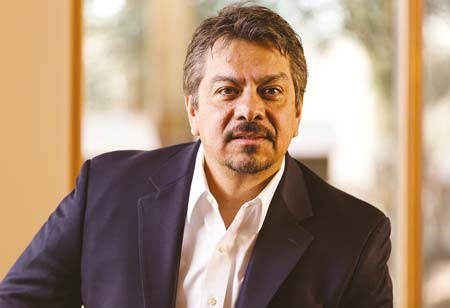
Ric Jedrziewski, Owner and Principal
Ric Jedrziewski’s journey in interior design is as layered as the spaces he creates. Starting out as a principal designer, he developed deep design expertise that would later shape the foundation of his own firm, Jedrziewski Designs. His designs, on the other hand, skillfully combine aesthetics and practicality to create environments that function intuitively for habitants and users.

The Strategic Role of Design in Food Manufacturing

Food facility design services are being transformed by rapid technological advancements, evolving consumer demands, and a growing emphasis on safety, efficiency, and environmental sustainability. The role of technology is indispensable in crafting the physical environments where food is manufactured, processed, stored, and distributed, directly influencing everything from product integrity to operational agility and market responsiveness.

Designing Food Facilities That Work Beyond the Kitchen

Food facility design has become a business decision as much as a design decision. Whether it is a restaurant kitchen, café, servery, commissary or resort dining operation, success depends on far more than fitting equipment into available space. The facility must support efficient workflows, help staff perform under pressure, create a positive guest experience and remain flexible enough to adapt as menus, staffing needs and service demands evolve. When design falls short, the consequences are felt every day through operational inefficiencies that become part of the workplace.

The Digital Age of Food Safety and Quality
the Wendy’s Company [NASDAQ : WEN]
The Digital Age of Food Safety and Quality
Jorge Hernandez, Quality Assurance VP

Before we jump in and talk more about the food and beverage tech space, can you talk to me a little bit about yourself and your journey in the F&B sector?

Academically, my background is in microbiology, chemistry and languages; and professionally, I have worked in different roles in the food safety industry. I started as a regulator in the Health Department and then worked for the Educational Foundation of National Restaurant Association and one of the largest food distributors in the U.S. My role throughout has been to ensure food safety and quality. Eventually, I joined Wendy's as the VP of quality assurance. I'm now in charge of ensuring that the products our customers purchase meet our food safety and quality standards —all the way from the farm, throughout the supply chain, and to all of our restaurants around the globe.

Food Facilities Design Services Info

Q1
What Do Food Facilities Design Firms Do?
Food facilities design firms plan and develop commercial food production and preparation environments for restaurants, institutional kitchens, food manufacturing plants and hospitality operations. Top Food Facilities Design Services commonly include kitchen layout planning, workflow optimization, equipment specification and infrastructure coordination for efficient food operations. Many firms also support food safety compliance, ventilation planning and utility integration to help facilities meet operational and regulatory requirements.
Q2
What Services Are Included in Food Facility Design Projects?
The category includes commercial kitchen design, production-line planning, storage optimization and food-service facility engineering. Top Food Facilities Design Services often provide space planning, equipment integration, sanitation-focused layouts and project coordination for restaurants, commissaries, bakeries and institutional dining facilities. Some firms specialize in hospitality and restaurant environments, while others focus on industrial food processing plants or cloud kitchen facilities. Design services may also include CAD modeling, compliance documentation and construction-phase consultation for large-scale food operations.
Q3
Why Is Demand Growing for Food Facilities Design Services?
Food-service operators and manufacturers continue investing in efficient, technology-driven production environments to improve productivity and adapt to changing consumer demand. Demand for Top Food Facilities Design Services is increasing because restaurants, cloud kitchens and food manufacturers require layouts that support automation, faster workflows and food safety compliance. Industry trends also show rising adoption of modular kitchen systems, smart equipment integration and energy-efficient facility designs across hospitality and commercial food-service sectors. Growth in ghost kitchens, delivery-focused operations and multi-concept dining environments has further expanded demand for specialized facility planning expertise.
Q4
How Are Leading Food Facility Design Firms Evaluated?
Restaurant operators, hospitality groups and food manufacturers often evaluate design firms based on operational expertise, workflow planning and regulatory knowledge. Top Food Facilities Design Services are commonly assessed through kitchen efficiency, sanitation-focused layouts and the ability to optimize labor movement and equipment placement. Buyers also review project management capabilities, experience with food safety compliance and whether firms can support scalable operations across multiple facility types. Strong collaboration with architects, engineers and equipment suppliers can significantly influence successful project execution.
Q5
What Value Do Food Facilities Design Services Deliver?
Well-designed food facilities improve operational efficiency, reduce bottlenecks and support safer working environments. Top Food Facilities Design Services help businesses improve kitchen flow, optimize storage and reduce unnecessary movement across food preparation and service areas. Efficient facility planning can also improve food quality consistency, reduce labor strain and support compliance with sanitation and safety standards. For restaurants, institutional kitchens and food manufacturers, strategic facility design contributes to stronger long-term operational performance and scalability.
Q6
How Are Technology and Innovation Influencing Food Facility Design?
Technology is reshaping how food facilities are designed and managed. Top Food Facilities Design Services increasingly integrate IoT-enabled equipment, automation systems and smart monitoring technologies into commercial kitchens and food production spaces. Many firms now focus on modular layouts, energy-efficient systems and digital workflow planning tools that improve operational flexibility and long-term scalability. Innovation in robotic kitchen systems, AI-supported monitoring and connected food-service infrastructure is expected to play a larger role in future commercial food facility development.