Food Business Review

Allergen Free Bars Manufacturer

Allergen Free Bars Manufacturers produce snack and nutrition bars formulated without common allergens such as nuts, dairy, soy, gluten and eggs. With a focus on ingredient transparency, food safety, specialized production standards and nutritional value, they serve consumers with dietary restrictions, food sensitivities, health-conscious lifestyles and wellness-driven snack preferences.

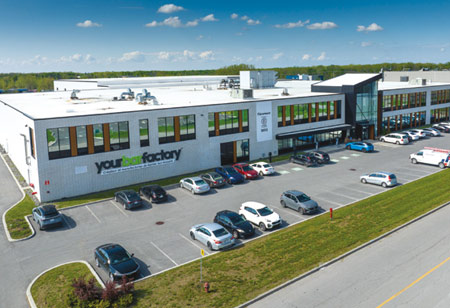
Yourbarfactory: Mastering the Art of Custom Bars
Yourbarfactory
Mastering the Art of Custom Bars
Martin Joyal, CEO
Global snack markets have evolved, and the demand for allergen-free, gluten-free, kosher, and peanut-free bars is at an all-time high. Many manufacturers and retailers want to enter this market but struggle to meet the strict dietary standards these products require. The investment is significant, and mastering both the process and the formulation of a great-tasting recipe is easier said than done.

The Science and Strategy Behind Canada's Next-Gen Allergen-Free Bars

The Canadian snack food market is changing significantly due to increased public health awareness, demographic changes, and evolving consumer preferences. Previously, allergen-free products were often seen as a compromise, offering safety but limited appeal. Now, allergen-free options have become a key source of innovation, raising standards for texture, flavor, and nutrition throughout the snack bar industry.

Choosing an Allergen-Free Bar Manufacturing Partner

Nutrition bar executives now face a manufacturing problem that sits between consumer trust, retailer economics and product variety. Allergen-free bars cannot be treated as ordinary snack formats with a claim added near the end of development. A nut-free, peanut-free, gluten-free or vegan promise affects ingredient admission, line discipline, recipe design, packaging claims and retailer confidence. Buyers therefore need a manufacturing partner that can turn a brand idea into a safe, saleable product without forcing it into a rigid production model.

Implementing Technological Advancements in Food Industry
Bento Sushi
Implementing Technological Advancements in Food Industry
Kitty Pat, Director of Quality Assurance

The Public Health Agency of Canada estimates that each year, 1 in 8 or 4 million Canadians are sickened by foodborne illnesses (12.5% of Canada’s overall population), with approximately 11 500 hospitalizations, and 240 deaths. The economic burden of foodborne illness outbreaks on any food company/brand can be quite devastating; this is due to lawsuits, fines, legal fees, investigations, retraining costs, and lost revenues. Companies within the food industry all process, use, and sell food in diverse ways; however, food safety compliance issues remain the same throughout. Examples of these common denominators include but are not limited to, unsafe food holding, improper cooking / reheating temperatures, unsafe food handling, improper sanitation, and lack of trained employees. An increasing number of companies around the globe today are investing in technology advancements to bridge the gap with most, if not all, aforementioned challenges in the food industry. Investments in technology can be quite costly at first, but the Return on Investment (ROI) will eventually outweigh its cost for all the advantages it brings to the table.
Clean-Label Expectations Shape the Next Phase of Allergen-Free Bars

Tuesday, May 19, 2026

Allergen-free bar makers are facing tougher consumer expectations. People want bars that avoid allergens but also taste good, feel satisfying and use ingredients they understand. Just being free from allergens is not enough anymore. The early appeal of allergen-free bars was about safety and accessibility. This is still important for households with serious allergies. The market is growing. Consumers now compare allergen-free bars to mainstream snack options, not just other restricted-diet products. This means they expect better flavor and texture. Making allergen-free bars is hard because common ingredients like nuts, dairy, wheat and soy help with taste, binding, protein and mouthfeel. Removing them requires replacement, not just simple subtraction. Seeds, grains, fruit and alternative proteins must work together without making the product dry or dense. Clean-label expectations make it even harder. Consumers may not like products with additives even if they help with technical issues. Manufacturers must create bars that hold together taste balanced meet nutrition targets and have a clean label. This requires product development work. Texture is a deal. A bar can be safe. Still feel bad if it’s chalky, sticky or brittle. Manufacturers are paying attention to how ingredients behave during mixing, forming, baking and cooling. Small changes in moisture or processing time can affect the product. Taste development needs discipline. Allergen-free products can be too sweet to make up for missing ingredients. This might work at first, but it can limit repeat purchases. A better strategy balances flavor, nutrition and sensory quality. Brands use allergen-free bars for different occasions. A product might be for school lunches or travel bags. Another might be for workplace snacking or post-exercise use. Each occasion affects size, sweetness, nutrition and packaging. Manufacturers that understand these usage patterns can help brands avoid weak products. They can develop bars that meet consumer needs while maintaining allergen control. This advisory role is becoming more important as the category grows. The future of allergen-free bars will depend on product quality, not just safety. Consumers will not buy a bar only because it is free from certain ingredients. They will return when it feels like a product they would choose without restrictions. For manufacturers, the standard is rising. Allergen-free must now mean credible, enjoyable and commercially repeatable. Allergen-free bars are here to stay, and manufacturers need to step up their game.

Private Label Demand Expands the Market for Allergen-Free Bars

Friday, May 15, 2026

Private label growth is opening new opportunities for allergen-free bar manufacturers as retailers look to serve consumers with dietary restrictions under their own brands. Grocery chains and specialty retailers no longer see allergen-free snacks as a small shelf category. They are becoming part of a wider push for healthier, convenient products. The shift reflects how shoppers are buying. Families managing allergies need products they can trust and find without difficulty. Other consumers choose allergen-free options because they connect them with simpler ingredients or cleaner labels. For retailers, a trusted own-brand product can appeal to both groups. For manufacturers, private label can open larger accounts, but it also makes the work harder. Retail partners often come with specific expectations around price, nutrition, packaging and brand standards. Those requirements must be turned into a product that remains safe, consistent and commercially practical. Allergen-free bars are not easy to repeat across accounts. One retailer may want a school-safe snack. Another may want higher protein content or a more indulgent flavor. Each brief can affect sourcing, formulation and production controls. Manufacturers that can adapt without weakening allergen safety will be better placed to grow. Documentation has also become a bigger part of the work. When a retailer’s name appears on the package, the risk is shared. Ingredient sourcing, facility practices, quality checks and claim support all need to be clear. Capacity alone is not enough. Retailers want proof that the product can be trusted. Pricing adds another layer of pressure. Allergen-free products often require specialized ingredients and careful manufacturing conditions. At the same time, private label is usually expected to stay accessible. Manufacturers must keep costs under control without cutting into the safeguards that make the product credible. Packaging matters as well. Store-brand allergen-free bars must communicate trust quickly. Shoppers need to know what the product excludes and what it offers. Claims should be clear, but not crowded. In this category, caution often shapes the purchase decision. The opportunity is not limited to national retailers. Regional grocers, school-focused distributors, hospitality buyers and e-commerce brands may also look for customized allergen-free bar programs. That leaves room for manufacturers that can stay flexible while maintaining strong process control. Private label demand is likely to put allergen-free bars in more everyday shopping baskets. But visibility alone will not define the category’s next phase. The manufacturers that stand out will be the ones that can meet retailer expectations without treating allergen safety as a marketing claim. For food businesses, allergen-free private label is not just another product extension. It is a test of whether trust can be produced at scale.

Allergen Free Bars Manufacturer Info

Q1
What Do Allergen-Free Bars Manufacturing Companies Produce?
Allergen-free snack bar manufacturers develop and produce bars designed to avoid common allergens such as peanuts, tree nuts, gluten, soy or dairy. Top Allergen-Free Bars Manufacturing Companies often create protein bars, granola bars, energy bars, fruit bars and functional snack products for private-label brands, retailers and wellness companies. Many facilities also support custom recipe development to match nutritional trends and dietary requirements. Manufacturers in this category usually maintain strict ingredient controls and dedicated production environments to reduce contamination risks. Top Allergen-Free Bars Manufacturing Companies are increasingly important for schools, sports nutrition brands and health-focused food businesses that require safer snack alternatives for consumers with food sensitivities.
Q2
Why Is the Allergen-Free Snack Bar Market Expanding?
Consumer awareness around food allergies and specialized diets has expanded significantly over the last decade. Top Allergen-Free Bars Manufacturing Companies are benefiting from demand for clean-label, gluten-free, vegan and allergen-conscious snack products across North America, Europe and Asia. Growth in sports nutrition, wellness snacks and convenient meal replacements has also contributed to market expansion. Many brands prefer working with Allergen-Free Bars Manufacturing companies because building certified allergen-free production facilities internally requires major investments in quality control systems, certifications and operational compliance.
Q3
What Certifications Matter in Allergen-Free Bars Manufacturing?
Food safety certifications play a major role when evaluating manufacturing partners in this industry. Top Allergen-Free Bars Manufacturing Companies often maintain certifications such as BRC, gluten-free verification, kosher, halal and allergen-control programs to demonstrate compliance with strict food safety standards. Many buyers also assess manufacturing traceability, supplier screening and third-party auditing procedures before selecting a production partner. Allergen-Free Bars Manufacturing providers that operate dedicated nut-free or peanut-free facilities are often preferred because they help reduce contamination concerns and improve consumer confidence.
Q4
How Do Allergen-Free Bars Manufacturing Services Support Private Labels?
Private-label snack brands frequently rely on external manufacturing specialists to accelerate product launches and scale production efficiently. Top Allergen-Free Bars Manufacturing Companies often provide recipe formulation, ingredient sourcing, packaging support and commercial-scale production under confidential partnerships. These manufacturing services allow brands to focus on marketing and distribution while experienced food production teams manage operational requirements. Many Allergen-Free Bars Manufacturing solutions also support specialized formulations including vegan, organic, ketogenic and high-protein products tailored to evolving consumer preferences.
Q5
What Technology and Production Capabilities Are Important in This Industry?
Modern food manufacturing depends heavily on automation, quality monitoring and flexible production systems. Top Allergen-Free Bars Manufacturing Companies often invest in automated production lines, digitalized operations and scalable facilities capable of handling both startup-level runs and large retail volumes. Production flexibility matters because snack brands may require seasonal formulations, rapid product development or varying packaging formats. Allergen-Free Bars Manufacturing providers with advanced production infrastructure can often reduce turnaround times while maintaining strict hygiene standards and consistent product quality.
Q6
How Do Companies Choose the Right Allergen-Free Bar Manufacturing Partner?
Choosing a manufacturing partner typically involves evaluating food safety expertise, formulation capabilities, production scale and responsiveness. Top Allergen-Free Bars Manufacturing Companies are usually selected based on their ability to balance innovation, compliance and manufacturing reliability. Many buyers also review minimum order quantities, research and development support, export capabilities and ingredient sourcing practices. Since allergen-related recalls can create serious financial and reputational risks, companies often prioritize manufacturers with strong quality assurance systems and established regulatory experience.